How Dance Became My Daily Dose of Strength and Joy
What if the secret to long-term fitness wasn’t another gym routine, but something that makes you smile? For me, it’s dance—not as performance, but as movement, rhythm, and daily renewal. Over years, I’ve discovered how dance sports build endurance, coordination, and mental resilience in ways few exercises do. It’s not about perfection; it’s about showing up, moving freely, and staying consistent. This is how dance reshaped my fitness journey for the long haul.
The Fitness Burnout That Changed Everything
For over a decade, my approach to fitness followed a predictable pattern: early morning runs, weight circuits, and weekend spin classes. I believed that if a workout didn’t leave me drenched in sweat and slightly sore, it wasn’t effective. I measured success by calories burned and miles logged, not by how I felt. At first, this routine delivered results—increased stamina, improved muscle tone, and a sense of discipline. But over time, the motivation faded. What once energized me began to feel like a chore, another item on a long list of responsibilities.
The turning point came during a particularly stressful year. Work demands intensified, family needs grew, and my usual workouts started to feel like added pressure. I would drag myself to the gym, go through the motions, and leave feeling more exhausted than when I arrived. One evening, after skipping the gym for the third time that week, I found myself watching a video of a social dance class online. It was a simple routine—nothing flashy, just flowing movements set to upbeat music. On impulse, I stood up and tried to follow along. I was off-beat, uncoordinated, and laughing at myself by the end—but I also felt something I hadn’t in months: joy.
That moment was the beginning of a shift. I realized I wasn’t tired of moving my body; I was tired of treating exercise like a punishment. Dance didn’t ask me to push harder or lift more. It invited me to move with music, to reconnect with my body in a way that felt natural and expressive. There was no scoreboard, no timer, no judgment—just movement. Slowly, I began replacing one gym session a week with a dance video at home. Then two. Within months, dance wasn’t just a break from my routine; it had become the routine.
Why Dance Sports Work Differently Than Standard Exercise
Traditional fitness often isolates physical components—cardio on the treadmill, strength with weights, flexibility in stretching classes. Dance, by contrast, integrates all these elements into a single, dynamic activity. A 30-minute dance session can elevate heart rate like aerobic exercise, engage core and leg muscles through controlled movements, improve balance with directional changes, and enhance coordination by synchronizing steps with rhythm. This full-body integration makes dance a uniquely efficient form of physical conditioning.
But the benefits go beyond the physical. Dance is also a cognitive workout. Learning and remembering choreography engages memory, spatial awareness, and timing. The brain must process sequences, anticipate transitions, and adapt to tempo changes—all while maintaining posture and coordination. Studies have shown that activities requiring both physical and mental engagement, such as dance, are particularly effective at supporting long-term brain health and may even reduce the risk of cognitive decline with age.
Music plays a crucial role in this process. Unlike the monotony of a metronome or the silence of a weight room, music provides a natural rhythm that sustains motivation. The right song can elevate mood, increase endurance, and make physical effort feel lighter. When movement is paired with melody and beat, the brain releases dopamine—a neurotransmitter associated with pleasure and reward. This biochemical response helps explain why people often feel energized after dancing, even when physically fatigued. The combination of movement and music creates a feedback loop of enjoyment and effort that few other exercises replicate.
Long-Term Sustainability: The Hidden Advantage of Joy
One of the biggest challenges in fitness is consistency. Many people start strong with a new routine, only to lose momentum within weeks. The reason often isn’t lack of willpower—it’s lack of enjoyment. Research consistently shows that people are more likely to stick with physical activities they find pleasurable. A study published in the Journal of Sport and Exercise Psychology found that enjoyment was a stronger predictor of long-term adherence than perceived effectiveness or convenience.
Dance offers a sustainable path because it prioritizes pleasure alongside exertion. Unlike high-intensity interval training or marathon prep, which rely on discipline and delayed gratification, dance provides immediate emotional rewards. Smiling, laughing, and feeling connected to music are all part of the experience. This emotional payoff makes it easier to return to the activity day after day, even when energy is low or motivation wanes.
Moreover, dance fosters a different relationship with progress. In traditional fitness, goals are often numerical: lose 10 pounds, run a 5K, lift 50 pounds. Dance shifts the focus to expression, flow, and personal rhythm. Progress is measured not by numbers, but by increased confidence, smoother transitions, or the ability to try a new style. This mindset reduces performance pressure and supports a more compassionate approach to self-improvement. When the goal is to feel good rather than look a certain way, the journey becomes its own reward.
Core Techniques That Make Dance a Complete Workout
While dance may appear fluid and effortless, it relies on a foundation of precise, strength-building techniques. These movements, practiced with control and repetition, develop muscular endurance, joint stability, and postural awareness. Understanding these core elements helps appreciate how dance functions as a comprehensive fitness modality.
One fundamental movement is the plié—a bending of the knees while keeping the back straight and heels grounded. Common in ballet and many dance styles, the plié strengthens the quadriceps, glutes, and inner thighs. When performed repeatedly, it builds lower-body endurance without requiring heavy resistance. Similarly, pivots—controlled turns on one foot—engage the core, improve balance, and enhance proprioception, or the body’s awareness of its position in space.
Isolations, another key technique, involve moving one part of the body while keeping the rest still. For example, moving the shoulders independently from the hips or the head from the torso. This develops neuromuscular control and increases body awareness. Over time, isolations improve coordination and make everyday movements more efficient and graceful.
Weight shifts are equally important. Whether stepping side to side, forward and back, or in circular patterns, shifting weight from one leg to another strengthens stabilizing muscles in the ankles, knees, and hips. These small, frequent transitions build joint resilience and reduce the risk of injury in daily life. Together, these techniques create a low-impact yet highly effective workout that supports long-term physical health.
Building a Routine That Lasts: From Occasional Moves to Daily Practice
Starting a dance practice doesn’t require talent, a studio, or even a lot of time. The key is to begin small and remove pressure. Many people hesitate because they believe they “can’t dance” or fear looking awkward. But just as no one expects a beginner to run a marathon on their first jog, no one needs to master complex choreography to benefit from dance. A 10-minute session in front of a mirror at home is a powerful starting point.
Integrating dance into daily life increases the likelihood of consistency. Some find success with morning dance warm-ups—five minutes of gentle movement to music before starting the day. Others use lunch breaks for a short routine, combining physical activity with mental refreshment. Evening dance sessions can serve as a wind-down practice, helping release tension and signal the body that it’s time to relax. The flexibility of dance makes it adaptable to any schedule.
To stay consistent, it helps to focus on variety and personal preference. Exploring different styles—such as salsa, swing, line dancing, or cultural folk dances—keeps the practice engaging. Creating a playlist of favorite songs increases motivation. Some people find accountability through online classes or local community groups, while others prefer the privacy of home practice. The goal is not performance, but presence—showing up for oneself each day with kindness and curiosity.
Adapting Dance to All Levels and Ages
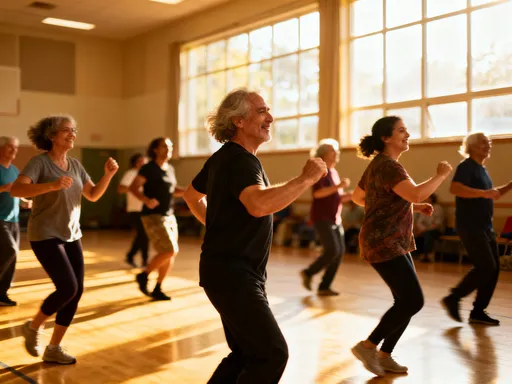
Dance is often mistakenly seen as an activity for the young, flexible, or naturally coordinated. In reality, it is one of the most inclusive forms of movement available. Because it can be modified in intensity, range of motion, and complexity, dance is accessible to people of all ages and physical abilities. Older adults, in particular, can benefit from low-impact styles that support joint health and balance.
Ballroom dancing, for example, involves smooth, controlled movements that improve posture and coordination without straining the body. Line dancing uses repetitive sequences that are easy to learn and can be done at a comfortable pace. Many community centers and senior programs now offer dance classes specifically designed for older participants, emphasizing safety, social connection, and enjoyment.
For those with physical limitations, seated dance routines are an excellent option. These involve upper-body movements, rhythmic arm gestures, and head or torso isolations—all performed from a chair. Seated dance maintains cognitive engagement and cardiovascular benefits while accommodating mobility challenges. Even individuals recovering from surgery or managing chronic conditions can find ways to participate safely.
The beauty of dance lies in its adaptability. Whether moving across a floor or gently swaying in place, the essence remains the same: connecting breath, body, and rhythm. When the focus shifts from appearance to participation, dance becomes a lifelong practice available to everyone.
From Movement to Mindset: The Lasting Shift Beyond Fitness
Over the years, the impact of dance has extended far beyond physical fitness. It has reshaped my mindset in subtle but profound ways. The discipline of learning choreography has improved my focus and patience. The act of moving in time with music has enhanced my ability to stay present, reducing mental chatter and anxiety. I’ve noticed greater emotional resilience—difficult days feel more manageable after even a short dance session.
There is a growing body of research supporting the mental health benefits of rhythmic movement. Dance has been shown to reduce symptoms of stress, anxiety, and mild depression. The combination of physical exertion, music, and self-expression activates multiple pathways in the brain that regulate mood. In group settings, dance also fosters social connection, reducing feelings of isolation—a critical factor in overall well-being, especially for women navigating midlife transitions.
Perhaps most importantly, dance has taught me to listen to my body with compassion. Instead of pushing through pain or ignoring fatigue, I’ve learned to honor my body’s signals. Some days, the dance is energetic and bold; other days, it’s slow and gentle. Both are valid. This acceptance has spilled over into other areas of life, promoting a more balanced, self-aware approach to health and happiness.
Dance isn’t just an exercise—it’s a way of staying alive in your body. Unlike fleeting fitness trends, it offers lasting physical and mental rewards because it speaks to both the body and the soul. When movement feels like joy, commitment becomes natural. The techniques may evolve, but the rhythm remains: a steady, sustainable path to lifelong well-being.