How I Found My Groove: Ball Sports for Total Body Care Without the Burnout
Ever tried playing ball sports and ended up sore for days? I’ve been there—excited to get active, only to feel beat up after just one game. As a total newbie, I thought I had to push hard to see results. But what if you could enjoy ball games while actually protecting your body? Turns out, smart movement beats intense punishment. This is how I learned to play right, recover faster, and actually enjoy staying fit—without the pain, strain, or frustration. What began as a well-intentioned effort to stay healthy turned into a week of waddling up stairs and groaning every time I stood up. That experience became my wake-up call: fitness should empower, not exhaust. With guidance from physical therapists, sports trainers, and my own trial-and-error journey, I discovered that ball sports can be both energizing and sustainable—if you approach them with care, awareness, and the right habits. This isn’t about becoming an athlete overnight. It’s about honoring your body while building strength, agility, and joy through movement.
The Beginner’s Trap: Why Jumping Into Ball Sports Feels So Rough
Many people dive into ball sports with high hopes and zero preparation, only to find themselves sidelined by soreness or minor injuries. The enthusiasm to be active is admirable, but without proper guidance, it often leads to overexertion. One of the most common mistakes beginners make is treating their first few games like full-intensity competitions. They sprint, jump, and twist without warming up, assuming that pushing hard will yield faster results. In reality, this approach increases the risk of strain, especially in muscles and joints not yet conditioned for sudden explosive movements. The body needs time to adapt, and jumping in too fast disrupts that natural progression.
Why do joints and muscles react so strongly during early play? Ball sports like basketball, soccer, or even recreational handball involve multidirectional movements—quick stops, lateral cuts, sudden pivots—that place unusual stress on the body. For someone used to walking or light cardio, these actions activate muscle groups in unfamiliar ways. The result is often acute stiffness or pain, particularly in the knees, ankles, lower back, and shoulders. This discomfort isn’t necessarily a sign of injury, but rather a physiological response known as delayed onset muscle soreness, or DOMS. DOMS typically appears 12 to 24 hours after unaccustomed exercise and peaks around the 48-hour mark, causing tenderness, reduced range of motion, and temporary weakness.
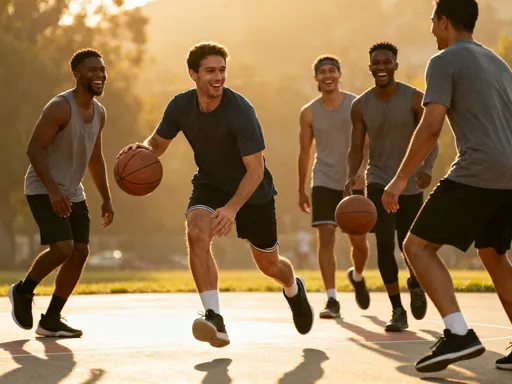
A personal example illustrates this perfectly. Eager to join a weekend basketball group, I showed up ready to play without any prior training. I ran hard, jumped for rebounds, and tried to keep up with players who had been playing for years. By the next day, walking down the stairs felt like climbing a mountain. My legs were stiff, my hips ached, and even sitting for long periods brought discomfort. I had ignored the basics: gradual progression, proper form, and listening to my body’s signals. That single game taught me more about physical limits than any fitness article ever had. It wasn’t failure—it was feedback.
From a scientific standpoint, DOMS occurs due to microscopic tears in muscle fibers caused by eccentric contractions—when muscles lengthen under tension, such as when landing from a jump or slowing down after a sprint. These microtears are a normal part of building strength, but when too many occur at once, the inflammatory response amplifies soreness. Beginners are especially vulnerable because their muscles and connective tissues haven’t developed the resilience that regular, structured activity provides. Understanding this process changed my perspective: soreness isn’t a badge of honor; it’s a signal to adjust. Instead of pushing through pain, I learned to respect my body’s learning curve and build fitness sustainably.
Why Ball Sports Are Worth It—When Done Right
Despite the initial challenges, ball sports offer some of the most comprehensive benefits for overall health. When approached with awareness and proper technique, they become far more effective than repetitive workouts like treadmill running or stationary cycling. One of the standout advantages is full-body engagement. Unlike isolated exercises that target specific muscle groups, ball games require coordination between the upper and lower body, core stability, and constant adjustments in balance and posture. Whether you’re passing a soccer ball, dodging defenders in basketball, or serving in handball, your entire system works together in dynamic, functional ways that mirror real-life movements.
Physically, ball sports enhance cardiovascular endurance by combining bursts of high intensity with brief recovery periods—a pattern known as interval training. This type of activity has been shown to improve heart health, increase lung capacity, and boost metabolic efficiency more effectively than steady-state cardio. Additionally, the rapid changes in direction and speed strengthen tendons and ligaments over time, contributing to better joint stability. According to sports medicine research, individuals who engage in controlled, technique-focused ball play develop greater neuromuscular coordination, which reduces the likelihood of falls and injuries in daily life. Over months of consistent play, many notice improved posture, stronger bones due to impact loading, and enhanced reflexes.
Beyond the physical, the mental and emotional rewards are equally compelling. Ball sports demand focus and quick decision-making, which helps sharpen cognitive function. The need to track the ball, anticipate opponents’ moves, and communicate with teammates engages multiple areas of the brain simultaneously. This mental stimulation can reduce stress and improve mood, much like meditation in motion. Many players report a sense of flow—a state where time seems to disappear and actions feel effortless—during well-matched games. This psychological benefit is supported by studies showing that team-based physical activity increases levels of endorphins and oxytocin, hormones linked to happiness and social bonding.
Perhaps one of the most underrated aspects is motivation. Because ball sports are inherently social and unpredictable, they rarely feel like a chore. A 30-minute game can pass quickly, whereas 30 minutes on a treadmill might feel endless. The element of play makes adherence easier, which is crucial for long-term health. Evidence suggests that people who enjoy their workouts are more likely to stick with them. Even modest participation—just two short sessions per week—can lead to measurable improvements in energy levels, sleep quality, and emotional resilience. When done mindfully, ball sports stop being just exercise and start becoming a source of joy, connection, and lifelong vitality.
Pre-Game Prep: Warming Up Without Looking Like a Pro
One of the simplest yet most overlooked steps in safe ball play is the warm-up. Too many players skip it entirely, thinking a few arm circles or a quick jog will suffice. But an effective warm-up does more than loosen stiff muscles—it prepares the nervous system, increases blood flow, and primes the body for dynamic movement. The key is using dynamic stretches rather than static ones before activity. Static stretching, which involves holding a stretch for 20–30 seconds, is beneficial after exercise but can reduce muscle power and reaction time if done beforehand. Dynamic movements, on the other hand, mimic the actions of the sport and gradually raise the heart rate, making them ideal for pre-game routines.
A practical warm-up should take no more than 5 to 7 minutes and can be done anywhere, even on the sidelines. Start with light cardio: a brisk walk or slow jog for 2–3 minutes gets oxygen moving and warms the tissues. Then transition into dynamic exercises that target major joints and muscle groups used in ball sports. For the lower body, leg swings—forward and side-to-side—help loosen the hips and improve range of motion. Walking lunges with a twist engage the core and promote spinal mobility. High knees and butt kicks activate the quads and hamstrings while improving coordination. For the upper body, arm circles (small to large) and shoulder rolls release tension in the shoulders and prepare the arms for throwing or blocking motions.
Joint mobility is especially important for injury prevention. Ankles, hips, and shoulders are particularly vulnerable in ball sports due to their role in balance, direction changes, and overhead actions. Simple ankle rolls—rotating each foot clockwise and counterclockwise—can prevent sprains by increasing joint lubrication and proprioception. Hip openers, such as standing knee-to-chest lifts or controlled leg swings, reduce stiffness in the pelvis and support smoother pivoting. Shoulder mobility drills, like the “scarecrow” movement (bending elbows to 90 degrees and rotating arms forward and back), protect against rotator cuff strain during passing or serving.
My personal pre-game routine consists of six essential moves performed in sequence: a 2-minute brisk walk, 30 seconds of arm circles, 10 leg swings per leg, 10 walking lunges, 20 seconds of high knees, and 20 seconds of butt kicks. This flow takes less than seven minutes but makes a noticeable difference in how my body feels during play. I no longer feel stiff or sluggish at the start of a game. Instead, I’m alert, responsive, and ready to move efficiently. The best part? No special equipment or expertise is needed. Anyone can adopt this routine and experience the benefits of smarter preparation.
Playing Smart: Form Over Speed, Control Over Hustle
Technique is the foundation of safe and effective ball sports. Yet many beginners prioritize speed and effort over proper form, believing that hustle alone will lead to improvement. In reality, poor posture and uncontrolled movements increase the risk of injury and reduce performance over time. Learning to move with alignment and intention is not about slowing down—it’s about moving smarter. Good form allows you to generate power efficiently, maintain balance during quick changes in direction, and protect vulnerable joints from excessive stress.
Posture plays a critical role in injury prevention. In sports like basketball or soccer, players often lean too far forward or lock their knees when stopping suddenly, placing undue pressure on the lower back and knees. The ideal athletic stance involves a slight bend in the knees, a neutral spine, and the weight centered over the midfoot. This position lowers the center of gravity, improves stability, and allows for quicker, safer movements. When sprinting or changing direction, keeping the torso upright and avoiding excessive side lean helps distribute forces evenly across the joints. Trainers often emphasize the concept of “soft knees”—maintaining a slight flex rather than locking them out—to absorb impact and reduce strain on the ligaments.
Pivoting, stopping, and changing direction are high-risk moments for injury, especially for newcomers. Many beginners twist their feet while keeping their upper body momentum going, which can lead to ankle rolls or knee ligament stress. The safer method is to step first with the lead foot, then rotate the hips and shoulders together, allowing the body to turn as a unit. This coordinated movement reduces torque on the joints and enhances control. Similarly, when stopping abruptly, it’s safer to decelerate gradually by taking multiple small steps rather than planting the foot and halting all at once. These subtle adjustments may seem minor, but they significantly reduce wear and tear over time.
Another common issue is overreaching or overjumping. Excited players often stretch too far for a pass or leap excessively for a rebound, compromising their balance. This increases the chance of awkward landings, which are a leading cause of sprains and muscle strains. Coaches frequently remind players to “stay within your range”—meaning move only as far as you can control. Building confidence through controlled drills, such as practicing short passes or box jumps with proper landing mechanics, helps develop spatial awareness and body control. Over time, this leads to sharper, safer play without sacrificing intensity.
Recovery Isn’t Optional: What I Learned the Hard Way
For years, I believed that pushing through soreness was a sign of dedication. The phrase “no pain, no gain” was my mantra—until my body said otherwise. After a particularly intense weekend of pickup games, I found myself unable to climb stairs without discomfort. My knees ached, my lower back felt tight, and even simple tasks like bending over became difficult. That experience forced me to confront the myth that pain equals progress. In truth, chronic soreness and fatigue are signs of overtraining, not achievement. Recovery is not a luxury; it is a necessary part of any sustainable fitness routine. Without it, the body cannot repair, strengthen, or adapt.
Effective recovery starts immediately after the game. Cooling down with 5 to 10 minutes of light movement—such as walking or slow stretching—helps the body transition from high intensity to rest. This gradual shift supports circulation, reduces lactic acid buildup, and minimizes stiffness. Hydration is equally important. Sweating during play leads to fluid and electrolyte loss, which can impair muscle function and delay recovery. Drinking water before, during, and after activity helps maintain balance and supports cellular repair. I now carry a reusable water bottle to every game and aim to drink at least 16 ounces within the first hour post-play.
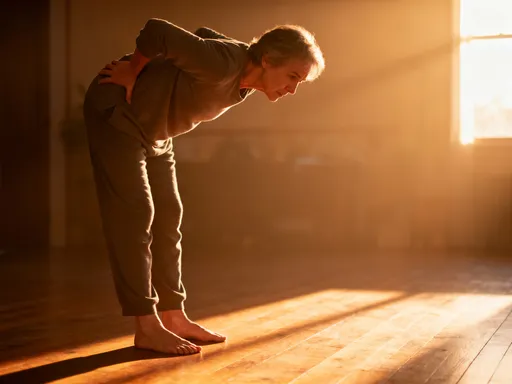
Foam rolling has become a cornerstone of my recovery routine. This self-myofascial release technique helps relieve muscle tightness and improve flexibility by breaking up adhesions in the connective tissue. I focus on major areas like the calves, quads, hamstrings, and upper back, spending about 30 to 60 seconds on each zone. While it can be uncomfortable at first, regular use reduces soreness and enhances mobility. Light movement on rest days—such as walking, swimming, or gentle yoga—also promotes blood flow and speeds healing without adding strain. These active recovery methods keep the body moving without overloading it.
Sleep and nutrition quietly play a powerful role in recovery. During deep sleep, the body releases growth hormone, which aids in tissue repair and muscle regeneration. Adults need 7 to 9 hours of quality sleep for optimal recovery, yet many sacrifice rest for busy schedules. Similarly, eating a balanced diet rich in protein, healthy fats, and complex carbohydrates provides the building blocks for muscle repair. Foods like eggs, Greek yogurt, salmon, sweet potatoes, and leafy greens support inflammation control and energy restoration. I’ve learned that fitness doesn’t end when the game does—it continues through how I care for myself afterward.
Gear That Actually Helps—Not Hypes
With so many products marketed to athletes, it’s easy to assume that expensive gear guarantees better performance or protection. But after testing various items, I’ve learned that simplicity and functionality matter more than flashy features. The most impactful piece of equipment is footwear. Supportive shoes designed for your specific sport and foot type can dramatically reduce injury risk. For example, basketball shoes offer ankle support and cushioning for vertical jumps, while soccer cleats provide traction on grass. It’s important to choose shoes with a proper fit—snug but not tight, with room for the toes to move. Replacing worn-out shoes every 6 to 12 months prevents instability and strain.
Compression wear is another widely discussed item. These garments are designed to improve circulation and reduce muscle vibration during activity. While research shows mixed results, many users report feeling more supported and experiencing less soreness. I’ve found that compression sleeves for the knees or calves can be helpful during longer games, especially if I’ve had previous joint discomfort. However, they are not a substitute for proper warm-ups or strength training. They work best as part of a broader care strategy, not a standalone solution.
Affordable tools can make a big difference in preparation and recovery. Resistance bands are excellent for pre-game activation exercises and post-game mobility work. They’re portable, inexpensive, and versatile—ideal for strengthening hips, shoulders, and core muscles. Massage balls, such as lacrosse balls or foam ball sets, help release tight spots in the feet, glutes, or upper back. I use them regularly to target areas that foam rollers can’t reach. A reliable water bottle with time markers encourages consistent hydration, which is essential for performance and recovery.
On the other hand, I’ve skipped several overhyped products. Expensive knee or wrist braces are unnecessary for most recreational players unless prescribed by a healthcare provider. Similarly, “miracle” recovery gels or patches often contain ingredients with limited scientific backing. Instead of relying on shortcuts, I focus on proven methods: proper movement, rest, and consistent self-care. The right gear supports your efforts—it doesn’t replace them.
Building a Sustainable Routine: Small Wins Over Big Leaps
Sustainability is the true measure of a successful fitness journey. Rather than aiming for dramatic transformations, I’ve shifted my focus to consistency and listening to my body. Instead of playing only on weekends with maximum effort—a pattern known as “weekend warrior” syndrome—I now aim for two 30-minute sessions during the week. This moderate frequency allows my body to adapt gradually, reduces injury risk, and fits better into daily life. Shorter, regular games build endurance and skill more effectively than occasional intense bursts.
Tracking progress has also changed. I no longer measure success by points scored or speed alone. Instead, I pay attention to how I feel: Do I have more energy? Am I recovering faster? Can I move with greater ease? These subtle indicators reflect real improvement. I’ve also created a personal “body care checklist” to follow before and after every game. Before play, it includes warming up, hydrating, and checking my footwear. Afterward, it involves cooling down, stretching, foam rolling, and refueling with a balanced snack. This simple routine keeps me accountable and reinforces healthy habits.
Most importantly, I’ve learned to listen to my body. There’s a difference between healthy exertion and warning signs like sharp pain, dizziness, or extreme fatigue. Honoring those signals builds long-term confidence and prevents setbacks. Over time, this mindful approach has transformed my relationship with fitness. Ball sports are no longer something I endure—they’re something I enjoy. They’ve become a celebration of movement, resilience, and self-care. And that, more than any statistic or achievement, is the real victory.
Conclusion
Ball sports don’t have to leave you wrecked. With the right mindset and a few smart habits, they can become a joyful, sustainable part of your fitness life. It’s not about playing harder—it’s about playing wiser. When you care for your body as much as you enjoy the game, every pass, sprint, and shot feels better. This isn’t just exercise; it’s a lasting connection between movement and well-being. By understanding the science of soreness, prioritizing preparation, refining technique, and embracing recovery, anyone can experience the full benefits of ball play without the burnout. The journey isn’t about perfection—it’s about progress, awareness, and respect for your body’s wisdom. When approached with care, ball sports offer more than fitness; they offer freedom, fun, and a deeper sense of vitality that lasts a lifetime.