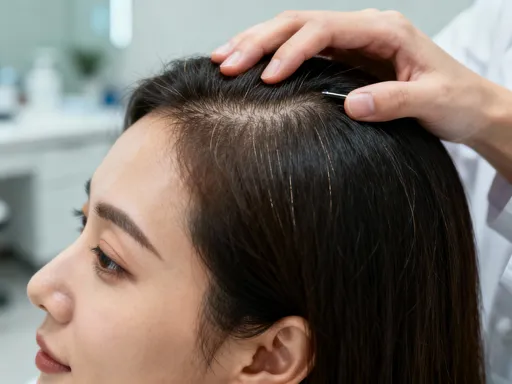
Why My Hair Finally Started Growing — A Beginner’s Body-to-Self Care Shift
For years, I struggled with thinning hair and dry skin, trying every product with zero results. It wasn’t until I shifted my focus from quick fixes to real body care that things changed. I learned that healthy hair starts far beneath the surface—through hydration, nutrition, and daily habits. This isn’t a miracle, just science and consistency. If you're overwhelmed and don’t know where to start, this journey is for you. The truth is, hair does not grow in isolation. It reflects what’s happening inside the body, from the food we eat to how well we sleep and manage stress. What seemed like a cosmetic issue was actually a signal—one I finally chose to listen to.
The Wake-Up Call: When Hair Talk Got Real
It started with a brush full of strands. At first, I dismissed it as seasonal shedding, something every woman hears about. But when I began noticing thin patches near my temples and my ponytail shrinking year after year, concern turned into quiet distress. I avoided updos, relied on volumizing sprays, and even changed how I parted my hair just to hide the loss. My confidence dipped in ways I hadn’t expected. I blamed my shampoo, then my water, then the stress of work. I cycled through expensive serums and salon treatments, each promising dramatic regrowth, yet nothing stuck. The frustration was real—not just with my hair, but with the lack of clear answers.
Like many beginners, I assumed hair care meant only what I applied topically. I didn’t consider that my habits outside the bathroom mirror mattered. I drank little water, skipped meals, and stayed up late regularly. My skin was dry, my energy low, but I didn’t connect those dots to my hair. The turning point came when a close friend gently asked if I’d seen a doctor. That simple question made me pause. I realized I had been treating my hair like a separate project, not part of a larger system. I was putting effort into surface solutions while ignoring the foundation.
What I learned was this: hair is not an isolated feature. It is an outward sign of internal health. When the body is under stress—whether from poor nutrition, dehydration, or disrupted sleep—it prioritizes vital organs over hair growth. Hair follicles enter resting phases earlier, shedding increases, and regrowth slows. No serum can override that biological priority. This wasn’t a flaw in my genetics or hygiene; it was a response to how I was living. The real issue wasn’t my hairline—it was my self-care routine, or lack of one. That shift in perspective changed everything.
Hair Health 101: What No One Tells Beginners
To understand why my hair was struggling, I had to go back to basics. Hair growth follows a natural cycle made up of three main phases: anagen (growth), catagen (transition), and telogen (resting). During the anagen phase, which can last two to seven years, hair actively grows from the follicle. Then it enters a short transitional stage before moving into the telogen phase, where it rests for about three months before shedding to make room for new growth. On average, a person loses 50 to 100 strands a day—this is normal. But when shedding exceeds that range consistently, it signals an imbalance.
The health of your scalp is deeply linked to the health of your skin. Just like facial skin, the scalp can become dry, inflamed, or clogged, all of which can interfere with hair growth. But the connection goes even deeper. Hair follicles rely on a steady supply of nutrients and oxygen delivered through blood circulation. If circulation is poor, or if the body is low on key nutrients like iron, zinc, or protein, the follicles receive less support. Hormones also play a role—especially androgens, which in excess can shrink hair follicles over time. These aren’t rare conditions; they’re common imbalances that many women experience at some point, often without realizing the impact on hair.
Sleep and stress are two of the most underestimated factors in hair health. When the body is under chronic stress, it produces higher levels of cortisol, a hormone that can disrupt the hair growth cycle. Elevated cortisol may push more follicles into the telogen phase prematurely, leading to increased shedding weeks or months later. Similarly, poor sleep affects hormone regulation and cellular repair, both of which are essential for healthy hair. This isn’t about occasional bad nights—it’s about long-term patterns. The body needs consistency to function well, and hair growth is no exception.
Body Care as Hair Care: Connecting the Dots
One of the most surprising realizations on my journey was how much my body care routine influenced my hair. Dry, flaky skin often meant a dry, irritated scalp—even if I couldn’t see it. The skin on the scalp is an extension of the body’s largest organ, and it responds to the same internal conditions. When I started paying attention to full-body hydration, I noticed changes not just in my skin but in the texture and manageability of my hair. It became softer, less brittle, and more resilient to breakage.
The gut-skin-hair axis is another key connection that many overlook. The digestive system plays a major role in nutrient absorption. If the gut isn’t functioning well, even a healthy diet may not deliver the full benefits. Nutrients like biotin, vitamin D, and omega-3 fatty acids are essential for strong, shiny hair, but they must be properly absorbed to be effective. I began to see my meals not just as fuel, but as building blocks for hair, skin, and overall vitality. Simple changes—like adding leafy greens, nuts, and fatty fish—started to make a visible difference over time.
Daily habits also bridged the gap between body care and hair care. Using a gentle, pH-balanced body wash helped maintain the skin’s natural barrier, reducing dryness that could extend to the scalp. I switched to fragrance-free moisturizers that didn’t irritate, and I made it a habit to apply them right after showers while my skin was still damp. This practice improved overall hydration and, indirectly, supported a healthier scalp environment. Even something as simple as drinking a glass of water first thing in the morning became a small act of care that added up.
Perhaps the most powerful shift was mindset. I stopped seeing hair care as a separate, time-consuming ritual and began viewing it as part of a holistic approach to wellness. Every choice—what I ate, how I moved, how I rested—was contributing to the bigger picture. When I treated my body with care, my hair responded. It wasn’t instant, but it was consistent. And that consistency built trust—trust that I was doing something meaningful, even when I couldn’t see results right away.
My Simple Daily Routine That Actually Worked
I didn’t overhaul my life overnight. Instead, I built a sustainable routine step by step. In the morning, I started with a two-minute scalp massage using my fingertips before showering. This wasn’t about applying oils or serums—just gentle pressure to stimulate blood flow. I followed it with lukewarm water and a sulfate-free shampoo, avoiding hot water that could strip natural oils. For breakfast, I prioritized protein—eggs, Greek yogurt, or a smoothie with nut butter—to support keratin production, the main protein in hair.
During the day, I kept a water bottle with me and aimed to finish at least two liters. I set reminders at first, but it soon became automatic. I also made sure to eat balanced meals with a mix of vegetables, healthy fats, and lean protein. I didn’t follow a strict diet, but I became more intentional about food choices. Snacks like almonds, carrots, or an apple with peanut butter replaced processed options. These small shifts improved my energy and, over time, the strength of my hair.
At night, I dedicated ten minutes to full-body moisturizing. I used a nourishing lotion on my arms, legs, and torso, and extended it to my scalp with a lighter, non-greasy formula. I also switched to a silk pillowcase, which reduced friction and helped prevent breakage while I slept. Sleep itself became non-negotiable—I aimed for seven to eight hours and kept a consistent bedtime, even on weekends. I turned off screens an hour before bed and created a calming routine with herbal tea and soft lighting.
Once a week, I applied a light oil treatment—usually a mix of coconut and jojoba oil—to my scalp and ends. I massaged it in, covered my hair with a shower cap, and left it on for an hour before washing. This wasn’t a trendy hair mask; it was a simple way to nourish without overloading. I also avoided tight hairstyles like high ponytails or braids that pulled on the roots, and I limited the use of heat tools. When I did use a blow dryer, I applied a heat protectant and used the cool setting. These weren’t drastic changes, but they were consistent—and that made all the difference.
Small Swaps, Big Shifts: What Changed for Me
The most effective changes were often the simplest. I replaced my harsh, fragranced bar soap with a pH-balanced body wash that didn’t leave my skin tight or itchy. This small switch improved my skin’s moisture barrier and reduced scalp irritation. I also started using a humidifier in my bedroom during winter months, when indoor air tends to be dry. Within weeks, I noticed less static, fewer split ends, and reduced flakiness on my scalp.
Dietary changes didn’t require a complete overhaul. I added one serving of leafy greens—like spinach or kale—to at least one meal a day. I sprinkled chia or flax seeds into my yogurt or oatmeal for omega-3s. I included fatty fish like salmon or sardines twice a week, or took a high-quality fish oil supplement when I couldn’t. These weren’t extreme measures, but they provided the nutrients my hair needed to grow stronger and shinier.
Tracking progress was another game-changer. Instead of relying on daily mirror checks, which often led to frustration, I took monthly photos under the same lighting. I compared them side by side and looked for subtle improvements—less shedding on my brush, more baby hairs at the hairline, improved texture. Celebrating these small wins kept me motivated. I also kept a simple journal where I noted how I felt—my energy levels, sleep quality, and mood—because I realized that hair growth was just one part of a broader transformation.
Perhaps the most important shift was in my expectations. I stopped chasing perfection and started valuing consistency. I accepted that progress would be slow, and that was okay. Some months, I didn’t see visible changes, but I trusted the process. I reminded myself that I was building a foundation, not just for better hair, but for better health overall. And slowly, steadily, the results began to show.
What Science Actually Supports (No Hype, Just Facts)
Not all hair advice is backed by evidence. After months of research, I focused on what dermatologists and clinical studies consistently support. Hydration, for example, is crucial. While drinking water won’t directly make hair grow faster, it supports overall cellular function, including hair follicles. Dehydration can lead to dryness, brittleness, and increased breakage—issues that make hair appear thinner.
Protein intake is another well-supported factor. Hair is made mostly of keratin, a type of protein. When the body lacks sufficient protein, it may slow hair growth or trigger shedding. Studies show that adequate dietary protein supports hair resilience and thickness. This doesn’t mean eating only meat—plant-based proteins like lentils, quinoa, and tofu are also effective when consumed regularly.
Dermatologists often recommend simple, consistent routines for beginners. They emphasize gentle cleansing, avoiding excessive heat, and protecting hair from mechanical damage. They also caution against overusing supplements. While deficiencies in iron, vitamin D, or biotin can contribute to hair loss, taking supplements without a diagnosed deficiency offers little benefit and may even cause imbalances. Blood tests can help identify true deficiencies, and a healthcare provider can guide appropriate treatment.
Research also shows that consistent body care routines—like moisturizing, managing stress, and sleeping well—can improve hair texture and reduce shedding over time. One study published in the journal Clinical, Cosmetic and Investigational Dermatology found that women who followed a structured self-care routine reported noticeable improvements in hair quality within three to six months. The key wasn’t one magic product, but the cumulative effect of daily habits. Science doesn’t promise miracles, but it does support the power of consistency.
Starting Your Own Journey: A Realistic Beginner’s Path
If you’re just beginning, the best advice is to start small. Pick one habit—drinking more water, improving sleep, or adding a nutrient-rich food—and focus on that for two weeks. Once it feels natural, add another. Trying to change everything at once often leads to burnout. Self-care is not about perfection; it’s about showing up for yourself, day after day, in small but meaningful ways.
Create a supportive environment. Keep a water bottle on your desk, place healthy snacks within reach, and set phone reminders for bedtime. Use tools that make routines easier—a silk pillowcase, a humidifier, or a gentle brush. But more than tools, cultivate a mindset of patience and kindness. You are not failing if progress is slow. You are learning, adjusting, and growing.
Know when to seek professional help. If shedding is sudden, severe, or accompanied by other symptoms like fatigue or weight changes, it’s important to consult a healthcare provider. Conditions like thyroid imbalances, anemia, or hormonal shifts can affect hair and may require medical evaluation. Self-care is powerful, but it is not a substitute for diagnosis or treatment when needed.
Finally, celebrate non-scale wins. Maybe your hair feels softer, or you’re sleeping better, or you’ve stuck to your routine for a full week. These are victories. Progress is not always visible in the mirror, but it’s happening beneath the surface. Trust the process. You are not just growing hair—you are building a healthier, more balanced life. And that is worth every small step.
Hair care isn’t just about what you put on your head — it’s about how you treat your body every day. My journey taught me that real change comes from consistency, not perfection. By focusing on body care as the foundation, I didn’t just grow healthier hair — I built a healthier life. You don’t need extreme fixes. Just small, smart steps that add up. And if I can do it, so can you.