The Mindful Mediterranean: How Food Changed My Mood Without Dieting Drama
Ever felt like your mood swings were out of control, no matter how hard you tried to stay positive? I discovered something surprising—what I ate deeply influenced how I felt. Not through strict rules or starvation, but by embracing the Mediterranean way of life. It wasn’t just about olive oil and fish; it reshaped my mindset, reduced anxiety, and brought real mental clarity. This is how a simple shift in eating became a powerful form of psychological self-care. For years, I chased quick fixes—detoxes, cleanses, calorie counting—only to feel more drained, irritable, and defeated. What changed wasn’t another diet, but a deeper understanding: food is not just fuel. It’s communication. Every bite sends signals to the brain, shaping emotions, energy levels, and even self-worth. The Mediterranean approach didn’t ask me to lose weight or punish cravings. It invited me to reconnect—with my body, my rhythms, and the quiet joy of eating well. And in that reconnection, I found something I hadn’t realized I was missing: emotional stability.
The Emotional Eating Trap: Why Diets Fail When Emotions Run High
Many women in their 30s, 40s, and 50s know the pattern all too well: a stressful day at work, a disagreement at home, or simply feeling overwhelmed can trigger a sudden urge to eat—not out of hunger, but for comfort. Chocolate, chips, sugary snacks—these become temporary soothers, offering a brief escape from emotional turbulence. But the relief is short-lived. Guilt follows, then frustration, and soon, a new diet begins. This cycle—emotional eating followed by restrictive dieting—is one of the most common yet misunderstood traps in modern nutrition.
Willpower is often blamed when diets fail. But research shows that relying on discipline alone is rarely effective in the long term. The brain is wired to seek reward when under stress, and food, especially high-fat and high-sugar foods, activates the same pleasure centers as other reinforcing behaviors. When cortisol, the stress hormone, rises, so does the desire for quick energy. Restrictive diets, by design, create deprivation, which in turn increases cravings. It’s a biological response, not a moral failing. The problem isn’t lack of control; it’s a mismatch between emotional needs and dietary strategies that ignore them.
What’s often overlooked is the gut-brain connection. The digestive system, sometimes called the “second brain,” contains millions of neurons and produces key neurotransmitters like serotonin—about 90% of which is made in the gut. This means that what we eat directly influences mood regulation. A diet high in processed foods, refined sugars, and unhealthy fats can disrupt this delicate system, leading to inflammation, poor gut health, and increased vulnerability to anxiety and low mood. Traditional diets rarely address this biological reality, focusing instead on calories and weight. As a result, they fail to support emotional well-being, often making it worse.
Burnout from dieting is real. The constant monitoring, the sense of failure when slipping up, the all-or-nothing thinking—it drains mental energy. For many women juggling family, work, and personal responsibilities, adding another rigid system to manage feels unsustainable. The emotional toll of repeated dieting can lead to disordered eating patterns, reduced self-esteem, and even social withdrawal. The solution isn’t another set of rules. It’s a shift in perspective—one that views food not as an enemy, but as a partner in emotional balance.
What Is the Mediterranean Diet—And Why It’s More Than a Meal Plan
The Mediterranean diet is often described as one of the healthiest ways to eat, but it’s more accurate to think of it as a way of living. It’s rooted in the traditional eating patterns of countries bordering the Mediterranean Sea—like Greece, Italy, and southern Spain—where people have historically enjoyed longer lifespans and lower rates of chronic disease. But it’s not a strict prescription. There’s no calorie counting, no forbidden foods, and no one-size-fits-all meal plan. Instead, it’s built on a foundation of whole, minimally processed foods, eaten in rhythm with nature and community.
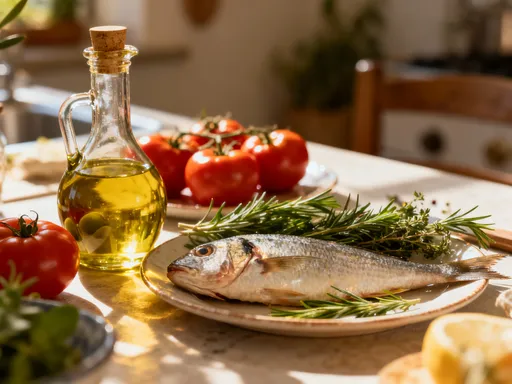
At its core, the Mediterranean diet emphasizes daily consumption of vegetables, fruits, whole grains, legumes, nuts, seeds, and olive oil. Fish and seafood appear several times a week, while poultry, eggs, and dairy are enjoyed in moderation. Red meat is limited, and sweets are occasional treats, often shared during gatherings rather than eaten in isolation. Wine, when consumed, is typically in small amounts with meals and as part of social connection, not for intoxication. The focus is on quality, variety, and enjoyment—not restriction.
What makes this way of eating sustainable is its flexibility. A typical day might start with a slice of whole-grain toast drizzled with olive oil and topped with tomatoes and a sprinkle of herbs. Lunch could be a large salad with chickpeas, cucumbers, olives, and grilled fish, dressed with lemon and more olive oil. Dinner might feature a lentil stew with crusty bread and a small portion of cheese. Snacks are simple—fresh fruit, a handful of almonds, or yogurt with a drizzle of honey. The meals are flavorful, satisfying, and deeply nourishing, making the idea of “dieting” feel irrelevant.
Over decades, studies have linked the Mediterranean diet to significant physical health benefits, including reduced risk of heart disease, type 2 diabetes, and certain cancers. But more recently, researchers have turned their attention to its impact on mental health. Observational studies show that people who closely follow this dietary pattern are less likely to experience depression, anxiety, and cognitive decline. Unlike fad diets that promise rapid results, the Mediterranean approach works gradually, supporting both body and mind through consistent, balanced choices. It’s not about perfection—it’s about presence.
The Science Behind Food and Feelings: How Nutrition Shapes Your Brain
The connection between diet and mental health is no longer just anecdotal—it’s supported by a growing body of scientific evidence. Multiple large-scale studies, including the PREDIMED trial in Spain and the SUN Project at the University of Navarra, have found that individuals who follow a Mediterranean-style diet have a 30% lower risk of developing depression compared to those who eat a typical Western diet high in processed foods. These findings suggest that nutrition plays a critical role in brain function and emotional resilience.
One of the key reasons lies in the nutrients abundant in this way of eating. Omega-3 fatty acids, found in fatty fish like salmon and sardines, are essential for brain cell structure and communication. They help reduce inflammation, which has been linked to mood disorders. Antioxidants, plentiful in colorful fruits and vegetables, protect brain cells from oxidative stress. Fiber, from whole grains and legumes, feeds the beneficial bacteria in the gut, supporting a healthy microbiome. These elements work together to create an internal environment that fosters mental stability.
The gut microbiome, in particular, has emerged as a major player in emotional regulation. Think of it as a vast ecosystem inside the digestive tract, home to trillions of bacteria that influence everything from immunity to mood. When this system is balanced, it produces short-chain fatty acids and neurotransmitters that signal the brain via the vagus nerve. An imbalance—often caused by poor diet, stress, or antibiotics—can disrupt this communication, contributing to anxiety, brain fog, and low energy. The Mediterranean diet, rich in fiber and fermented foods like yogurt and olives, naturally supports microbial diversity.
Another important factor is blood sugar stability. Diets high in refined carbohydrates cause rapid spikes and crashes in glucose levels, leading to irritability, fatigue, and difficulty concentrating. The Mediterranean approach, with its emphasis on complex carbs, healthy fats, and protein, promotes steady energy release. Meals are satisfying and slow to digest, preventing the rollercoaster effect that undermines emotional control. Over time, this consistency helps regulate mood, much like compound interest builds wealth—small, regular deposits that yield significant returns.
It’s important to note that these changes are not immediate. The brain doesn’t transform overnight. But with consistent choices, the cumulative effect is powerful. Just as a garden flourishes with regular care, the mind thrives when nourished with the right foods. This isn’t about dramatic overhauls or extreme measures. It’s about making choices that honor the body’s need for balance, pleasure, and sustainability.
From Stress to Stability: My Psychological Shift on the Mediterranean Path
When I first adopted the Mediterranean way of eating, I wasn’t looking to improve my mental health. I was simply tired of feeling tired. In my early 40s, I was managing a full-time job, raising two teenagers, and caring for aging parents. Stress had become my default state. I relied on coffee to start the day and wine to unwind at night. My meals were rushed—often eaten at my desk or in front of the TV. I felt disconnected from my body, as if I were running on autopilot.
The turning point came after a routine check-up revealed elevated cholesterol and borderline blood pressure. My doctor didn’t prescribe medication. Instead, she suggested I try the Mediterranean diet. Skeptical but willing, I began making small changes. I replaced butter with olive oil, added a serving of vegetables to every meal, and started cooking more at home. What surprised me wasn’t just the physical improvements—it was how much calmer I began to feel.
Meal preparation, once a chore, became a form of mindfulness. Chopping vegetables, stirring a simmering stew, or arranging a colorful salad required focus and presence. These moments became daily rituals of grounding, a pause in the chaos. I began to notice textures, smells, and flavors in a way I hadn’t before. Eating slowly, without distractions, allowed me to truly taste my food. This sensory awareness extended beyond the kitchen. I became more attuned to my emotions, recognizing when I was eating out of stress rather than hunger.
Over time, my sleep improved. I no longer woke up at 3 a.m. with a racing mind. My energy levels stabilized, and I felt less reactive to daily stressors. I didn’t stop feeling pressure, but I responded to it differently. Instead of reaching for a snack or snapping at my family, I’d take a walk, drink a cup of herbal tea, or simply breathe. The food didn’t erase life’s challenges, but it gave me the inner strength to face them with more clarity and compassion.
Perhaps the most profound shift was in my relationship with myself. I stopped viewing food as something to be controlled or punished. There was no guilt for enjoying a piece of dark chocolate or a glass of wine. I learned to listen to my body’s cues—when it was truly hungry, when it was full, when it needed rest. This self-compassion spilled over into other areas of my life. I became kinder, more patient, more present. The Mediterranean way didn’t just change what I ate. It changed how I lived.
Psychological Adjustment Methods Woven Into Daily Eating Habits
One of the most powerful aspects of the Mediterranean lifestyle is how naturally it supports mental well-being through everyday routines. Unlike structured therapy or formal mindfulness programs, these practices are embedded in the act of eating itself. They don’t require extra time or effort—just a slight shift in awareness. Mindfulness, for example, isn’t practiced through meditation apps or guided exercises, but through the simple act of preparing and enjoying a meal with attention.
Routine is another psychological anchor. The Mediterranean pattern encourages regular meal times, which helps regulate the body’s internal clock, or circadian rhythm. When meals are consistent, so are energy levels and mood. Skipping breakfast or eating late at night can disrupt sleep and increase anxiety. By contrast, a steady rhythm—breakfast, lunch, dinner, perhaps a small snack—creates a sense of order and predictability, which is deeply comforting during times of stress.
Sensory awareness is built into the cuisine. The vibrant colors of a tomato salad, the aroma of garlic sautéing in olive oil, the crunch of fresh vegetables—these experiences engage the senses and ground the mind in the present moment. This is a form of informal mindfulness, helping to break the cycle of rumination and worry. When you’re fully engaged in the act of eating, there’s less mental space for negative thoughts.
Equally important is the social dimension. In Mediterranean cultures, meals are often shared. Eating with family or friends fosters connection, reduces feelings of isolation, and strengthens emotional resilience. Conversation, laughter, and the simple act of being together nourish the soul as much as the food nourishes the body. Even when eating alone, setting the table, using real dishes, and lighting a candle can turn a meal into a moment of self-respect and care.
The concept of “nourishment beyond nutrients” captures this holistic view. Food is not just about vitamins and minerals. It’s about pleasure, tradition, and identity. A dish passed down from a grandmother, a favorite recipe made for a loved one, the joy of a seasonal fruit at its peak—these experiences feed emotional health in ways that science is only beginning to understand. By embracing this broader definition of nourishment, we move away from diet culture’s narrow focus on weight and control, and toward a more compassionate, sustainable relationship with food.
Making It Work: Practical Steps Without Perfectionism
Transitioning to a Mediterranean way of eating doesn’t require a complete kitchen overhaul or a trip to the farmer’s market every day. The key is to start small and build gradually. One effective strategy is to begin with one Mediterranean-style meal per day—perhaps lunch or dinner—and expand from there. This approach reduces overwhelm and allows new habits to take root without pressure.
Simple swaps can make a big difference. Replace margarine or butter with extra virgin olive oil for cooking and dressing. Add a handful of beans or lentils to soups, salads, or grain bowls for extra fiber and protein. Choose whole-grain bread instead of white, and snack on fresh fruit or a small portion of nuts instead of processed crackers or cookies. These changes are not about eliminating foods, but about adding more nutrient-dense options.
Cooking at home more often is another powerful step. It doesn’t have to be elaborate. A sheet pan of roasted vegetables with a piece of fish, a simple pasta with tomato sauce and herbs, or a bean stew with crusty bread can be prepared in under 30 minutes. The act of cooking, even in a basic way, fosters a sense of agency and care. Eating without screens—no phones, no TV—allows for greater awareness of hunger and fullness cues, reducing mindless eating.
It’s also important to avoid turning this into another rigid system. The Mediterranean lifestyle is flexible by design. Some days, you might eat out or rely on convenience foods. That’s okay. The goal isn’t perfection, but progress. Focus on what you can include, rather than what you must exclude. Celebrate small wins—like choosing a salad with olive oil dressing over fries, or sharing a meal with a loved one. Over time, these choices add up, creating a foundation of mental and physical well-being that feels natural, not forced.
A Lifestyle, Not a Fix: Sustaining Mental Gains Through Everyday Choices
Lasting change doesn’t come from intensity, but from consistency. The Mediterranean approach works not because it’s a quick fix, but because it’s sustainable. It doesn’t demand drastic sacrifices or promise dramatic transformations. Instead, it offers a steady, gentle path toward better health—one that can be maintained through life’s ups and downs. Whether facing a busy season at work, family challenges, or personal loss, this way of eating provides a reliable source of stability.
Emotional resilience is built over time, through small, repeated acts of self-care. Choosing a nourishing meal is not just about nutrition—it’s a daily affirmation of self-worth. It says, “I am worth the effort. I deserve to feel good.” This mindset shift—from deprivation to self-respect—is what makes the difference. Food becomes a form of kindness, not punishment.
It’s also essential to recognize that food alone is not a cure for mental health conditions. For women struggling with clinical depression, anxiety disorders, or other psychological challenges, professional support is crucial. Therapy, counseling, and, when appropriate, medication are important tools. The Mediterranean diet should be seen as a complementary practice—one that supports, but does not replace, medical care. When used together, they can create a powerful foundation for healing.
In the end, this way of eating is about more than physical health. It’s about reclaiming joy, presence, and connection in a world that often feels too fast and too demanding. It’s about finding peace not through control, but through care. By embracing the rhythms of nature, the wisdom of tradition, and the simple pleasure of a well-prepared meal, we can nourish not just our bodies, but our minds and spirits. That is the true promise of the mindful Mediterranean life.