Taste of the Silk Road: A Food-Lover’s Stroll Through Bukhara
Imagine wandering narrow alleyways where the scent of cumin and wood-fired bread fills the air, and every corner hides a centuries-old recipe. In Bukhara, Uzbekistan, food isn’t just eaten—it’s experienced. I roamed its sun-drenched streets, discovering how flavors tell stories of traders, scholars, and grand empires. This is more than a meal; it’s a living history on a plate. From golden loaves emerging from ancient clay ovens to steaming pots of plov simmering over open flames, Bukhara offers a culinary journey that transcends taste, inviting travelers into a world where every dish carries the weight of tradition and the warmth of shared heritage.
The Heartbeat of Bukhara: Food as Culture
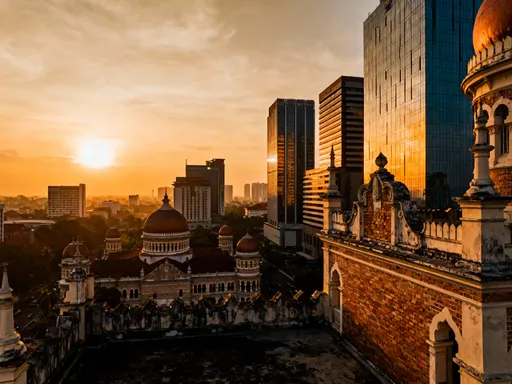
Bukhara, one of the oldest cities along the Silk Road, has long stood as a crossroads of civilizations. For over two thousand years, merchants, pilgrims, and scholars passed through its gates, bringing with them spices, cooking techniques, and culinary traditions from Persia, China, the Middle East, and beyond. These influences didn’t just pass through—they settled, blended, and evolved into a unique gastronomic identity. Today, food remains at the core of Bukharan life, not only as sustenance but as a profound expression of culture, identity, and hospitality. Meals are not rushed affairs but moments of connection, where family, friends, and even strangers are welcomed with open arms and full plates.
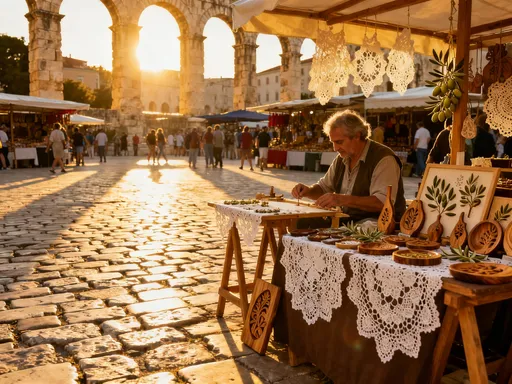
In Bukhara, the kitchen is a sacred space. Grandmothers pass down recipes orally, preserving methods unchanged for generations. The rhythm of daily life often follows the cadence of cooking and eating: early morning visits to the tandoor for fresh non, midday plov shared among neighbors, and evening tea accompanied by sweets and quiet conversation. Local markets pulse with activity, their stalls overflowing with sun-ripened apricots, deep red pomegranates, fragrant herbs, and pyramids of hand-sorted rice. Vendors proudly display dried barberries, saffron threads, and whole spices like cumin, coriander, and fenugreek—ingredients that form the backbone of Bukharan flavor profiles.
What sets Bukharan cuisine apart is its authenticity. Unlike in many tourist-heavy destinations, the food here is not adapted for foreign palates. Locals eat what their ancestors ate, prepared in the same way, using the same tools—wood-fired stoves, cast-iron kazans, and clay tandoor ovens. There’s a deep respect for tradition, and this reverence is evident in every bite. Dining in Bukhara is not a performance for visitors; it is a lived reality, an unbroken thread connecting the present to a rich and storied past.
Plov: The Crown Jewel of Uzbek Cuisine
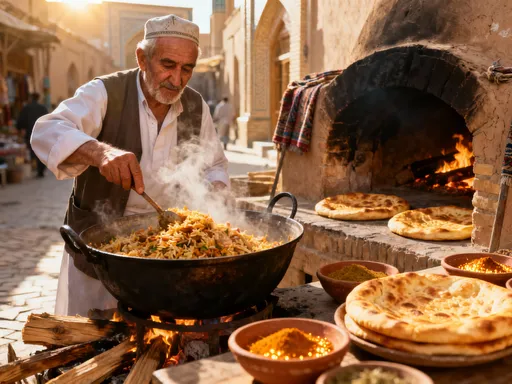
No exploration of Bukharan food is complete without plov, the national dish of Uzbekistan and a culinary icon across Central Asia. In Bukhara, plov is not merely a meal—it is an institution, a ritual, and a point of immense local pride. Often referred to as “osh,” this hearty dish of rice, meat, carrots, and fat is cooked in a large cast-iron cauldron called a kazan over an open flame. The cooking process is both scientific and artistic, requiring precise timing, temperature control, and generations of accumulated knowledge. A single batch can feed dozens, and it is commonly prepared for weddings, funerals, religious holidays, and even community gatherings.
Bukharan plov stands out for its distinct preparation and flavor. Unlike other regional versions, it typically uses lamb, which is seared first to render its fat—a crucial step that flavors the entire dish. Long, thin carrots are julienned and caramelized in the hot fat until they turn a deep golden-orange, creating a natural sweetness that balances the richness of the meat. The rice, usually a long-grain variety, is layered on top and cooked slowly, absorbing the juices without becoming mushy. Some versions include raisins or chickpeas, adding texture and complexity. What truly distinguishes Bukharan plov is the formation of a crispy, golden crust at the bottom of the kazan known as qazmalyk or “bottom rice.” This prized layer is carefully preserved and often served to honored guests.
I had the privilege of observing a master oshpaz—an expert plov cook—prepare the dish in a private courtyard. He moved with the confidence of someone who had cooked thousands of pots, his hands never pausing as he stirred, tasted, and adjusted. He explained that the key to perfect plov lies in the balance of fat, moisture, and heat. Too little fat, and the rice sticks; too much, and the dish becomes greasy. The carrots must be cut uniformly to ensure even cooking, and the rice must be rinsed thoroughly to remove excess starch. Every detail matters. When the pot was finally lifted from the fire, the aroma was intoxicating—earthy, smoky, and deeply savory. As we sat on low stools and ate with our hands, the oshpaz smiled and said, “This is not just food. This is our soul on a plate.”
Street Bites and Hidden Eateries
While plov may be the centerpiece of Bukharan cuisine, the city’s true culinary magic often lies in its humble street food and family-run eateries. Away from the main tourist plazas, tucked into quiet alleys and residential courtyards, small vendors and home cooks serve up some of the most authentic and delicious meals in the city. These are not restaurants in the Western sense—many have no signs, no menus, and no chairs—but they are packed with locals at all hours, a sure sign of quality and tradition.
One of the most beloved street foods is samsa, a flaky, oven-baked pastry filled with spiced lamb, onions, and sometimes pumpkin or potatoes. Unlike samosas found elsewhere, Bukharan samsa is made with a layered dough similar to puff pastry, which puffs up in the intense heat of the tandoor oven. The result is a golden, blistered crust with a tender, juicy interior. I followed the scent of baking dough one morning to a small neighborhood tandoor, where a woman in a floral apron pulled trays of samsa from the oven every few minutes. She wrapped one in paper and handed it to me with a smile. The first bite was unforgettable—crisp on the outside, steaming within, with a perfect balance of fat, spice, and warmth.
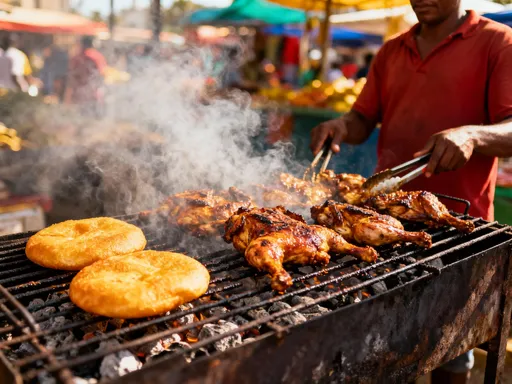
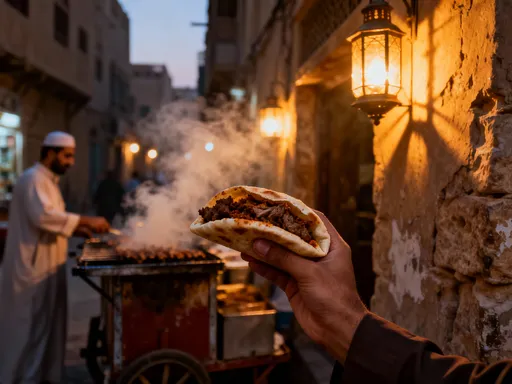
Another staple of the street food scene is shashlik, skewers of marinated meat grilled over charcoal. In Bukhara, shashlik is typically made with lamb or beef, cubed and seasoned simply with salt, onion, and black pepper. The meat is grilled slowly, allowing the fat to render and the exterior to char slightly, creating a smoky depth of flavor. It’s often served with fresh onions, flatbread, and a side of grilled peppers. I enjoyed mine at a small roadside stand at dusk, sitting on a wooden bench with a group of local men who insisted I try their favorite spice blend—a mix of cumin, chili, and dried mint.
Dimplama, a slow-cooked stew of meat, potatoes, carrots, and fruit, is another comfort food commonly found in homes and small eateries. It’s reminiscent of a Persian khoresh, with sweet and savory notes that come from the addition of dried apricots or plums. The dish is simmered for hours until the meat falls apart and the flavors meld into a rich, fragrant sauce. Eating dimlama in a private home, served in a deep ceramic bowl with a side of non, felt like being welcomed into the heart of Bukharan domestic life.
Bukhara’s Bread Culture: More Than Just Non
In Uzbekistan, bread is not just a side dish—it is sacred. The round, flatbread known as non, marked with a decorative pattern in the center, is a symbol of life, respect, and daily sustenance. In Bukhara, non is baked fresh multiple times a day in neighborhood tandoor ovens, each one a small community hub where people gather to chat, exchange news, and collect their daily loaves. The bread is sold warm, often wrapped in cloth to keep it soft, and is never placed upside down—a sign of disrespect. If a piece falls, it is picked up and kissed or placed on the side of the table with reverence.
I visited a local tandoor early one morning to witness the baking process. The oven, a tall clay cylinder heated with wood and straw, reached temperatures of over 500 degrees Fahrenheit. The baker, a man with flour-dusted arms and a calm demeanor, stretched the dough by hand, pressed the traditional stamp into the center, and then slapped it onto the inner wall of the oven with remarkable precision. Within minutes, the bread puffed and browned, its edges curling slightly. He removed it with a long metal hook, placing it on a woven tray. The smell was intoxicating—yeasty, warm, and slightly smoky. This ritual is repeated thousands of times a day across the city, a testament to the enduring role of bread in daily life.
Non is present at nearly every meal. It is used to scoop up plov, wrap around pieces of shashlik, or soak up the juices of a stew. It is also offered to guests as a gesture of welcome, often accompanied by salt—a traditional symbol of hospitality. In rural areas, it is not uncommon to see bread placed on the dashboard of a car, a protective gesture rooted in cultural belief. While such practices may seem superstitious to outsiders, they reflect a deep cultural value: bread is not to be wasted, disrespected, or taken for granted. In a country where agriculture has long been central to survival, non represents more than nutrition—it embodies gratitude, continuity, and community.
Sweet Endings: Desserts That Tell a Story
No meal in Bukhara is complete without something sweet. The city’s dessert traditions reflect its Silk Road heritage, blending Persian delicacy with Turkic robustness. Sweets are not overly sugary; instead, they emphasize natural sweetness from honey, dried fruits, and nuts, balanced with subtle spices like cardamom, cinnamon, and saffron. They are often served with green tea, especially in the afternoon or after dinner, and play a central role in celebrations, religious holidays, and family gatherings.
One of the most iconic desserts is halvah, a dense, crumbly confection made from ground sesame paste, sugar, and honey. Bukharan halvah is darker and richer than its Middle Eastern counterparts, with a slightly nutty, almost caramel-like flavor. It is often cut into small squares and served on ornate plates during Nowruz, the Persian New Year, or after Friday prayers at the mosque. Another favorite is baklava, layered pastry filled with chopped walnuts or pistachios and soaked in honey syrup. While baklava is found across the region, Bukharan versions are less sweet and more delicate, with thinner layers of dough and a more restrained syrup.
Chak-chak, a dessert of fried dough balls bound together with honey, is especially popular at weddings and family celebrations. The sound of the dough sizzling in hot oil, followed by the slow drizzle of warm honey, is a familiar melody in Bukharan homes. I was invited to a family gathering where chak-chak was being prepared, and the matriarch explained that the amount of honey used symbolizes the sweetness of the couple’s future life. As we sat together, breaking off pieces of the sticky, fragrant dessert, I realized that these sweets are not just treats—they are edible expressions of hope, love, and tradition.
Other traditional confections include sushma, a flaky, coiled pastry dusted with powdered sugar, and gulotch, a rosewater-scented cookie shaped like a flower. These desserts are often homemade, passed down through generations, and made only on special occasions. Their preparation is a labor of love, requiring patience and skill. To be offered one is to be considered part of the family.
Tea, Hospitality, and the Rhythm of Meals
In Bukhara, tea is more than a beverage—it is a social ritual, a symbol of hospitality, and a constant companion throughout the day. Green tea, known locally as choy, is the drink of choice, served in small, handleless cups called pialas. It is brewed strong, without milk, and often accompanied by sugar cubes, dried fruits, or a small dish of jam. The act of pouring tea is deliberate and respectful: the host fills each cup in turn, often refilling it multiple times as conversation flows.
Tea is served everywhere—in homes, courtyards, small cafés, and even on street corners. It is offered to guests immediately upon arrival, regardless of the time of day. Refusing tea is considered impolite, as it may be seen as rejecting the host’s generosity. I lost count of how many cups I drank during my stay, each one served with a warm smile and an invitation to stay longer. In these quiet moments, over steaming pialas, I learned more about Bukharan life than in any museum or guidebook.
Meals in Bukhara unfold slowly, without rigid schedules. Breakfast might consist of non, cheese, and tea, eaten at home or at a local stall. Lunch is often the main meal, centered around plov or a hearty stew, shared among family or coworkers. Dinner is lighter—perhaps a soup, a salad of fresh vegetables, and more tea. The pace is unhurried, the focus on savoring both food and company. There is no concept of “dining and dashing”; meals are lingered over, stories are shared, and time seems to stretch. This rhythm reflects a deeper cultural value: that nourishment is not just physical, but emotional and spiritual.
Hospitality is not performative—it is deeply ingrained. I was invited into homes unannounced, offered food even when I insisted I wasn’t hungry, and treated like an honored guest despite being a stranger. One afternoon, an elderly woman saw me looking at a market stall and insisted I come to her home to taste her homemade jam. We sat in her courtyard, surrounded by grapevines, and she told me about her childhood, her family, and her recipes. When I tried to thank her, she waved her hand and said, “You are my guest. This is how we live.”
How to Eat Like a Local: Practical Tips for Travelers
For travelers seeking an authentic culinary experience in Bukhara, the key is to move beyond tourist restaurants and embrace the rhythms of local life. Start by visiting the city’s bazaars, such as the historic Taki Sarrafon or Taki Telpak Furushon, where you’ll find fresh produce, spices, bread, and ready-to-eat foods. Look for stalls with long lines of locals—this is the best indicator of quality. Don’t be afraid to point and gesture; many vendors speak little English, but a smile and a willingness to try go a long way.
When it comes to plov, seek out oshxonas—dedicated plov restaurants—especially during lunchtime, when fresh batches are prepared. The most respected oshxonas are often unassuming, with simple furnishings and communal tables. Eat with your right hand, as is customary, and don’t hesitate to ask for seconds—finishing your plate is a compliment to the cook. For street food, follow the scent of baking bread or grilling meat, and don’t shy away from small, family-run stands. Samsa is best eaten fresh from the oven, so time your visit to coincide with morning or early afternoon baking cycles.
When invited into a home, accept with gratitude. Bring a small gift, such as fruit or sweets, as a token of appreciation. Always use your right hand when eating or receiving food, and never place bread upside down. If offered tea, accept it, even if you don’t drink much—pouring and sharing tea is a gesture of respect. Be patient with meal times; meals may start late and last for hours, but this is part of the experience.
The best time to explore Bukhara’s food scene is in the cooler months, from September to November or March to May, when outdoor markets are lively and dining in courtyards is pleasant. Avoid the midday heat in summer, when many shops close for a few hours. And remember: the goal is not to check off a list of dishes, but to immerse yourself in a culture where food is love, history, and identity all at once. To taste Bukhara is to know it—not just with your palate, but with your heart.