Through the Lens of Tehran: A Photographer’s Journey into Hidden Moments
Tehran is more than its headlines—it’s a city of contrasts, colors, and quiet magic waiting to be captured. As a photographer, I didn’t expect to find such raw beauty in bustling bazaars, quiet courtyards, and mountain-side neighborhoods. This isn’t just about landmarks; it’s about fleeting glances, golden light on ancient tiles, and the soul behind the lens. If you’ve ever wondered how a city can speak through images, Tehran has a story to tell. It speaks in the rustle of silk in a covered alley, the echo of footsteps beneath a vaulted ceiling, and the soft hum of tea being poured at dawn. For those willing to look beyond the surface, Tehran offers a visual narrative rich with depth, dignity, and surprise.
Why Tehran? Breaking the Myth
Many travelers hesitate to visit Tehran, influenced by media portrayals that focus on politics rather than people. But behind the geopolitical narratives lies a vibrant, artistic, and deeply photogenic city. Unlike typical Middle Eastern capitals, Tehran blends modernity with tradition—skyscrapers rise beside centuries-old mosques, and street art covers walls near historic homes. The city’s layered identity offers endless storytelling potential for photographers. From the moment you step into its streets, the visual rhythm feels different—unpredictable, authentic, and full of surprise. This section sets the stage by explaining why Tehran deserves a spot on any photo-focused traveler’s list.
Tehran is a city of paradoxes. It is both fast-paced and contemplative, modern and deeply rooted in tradition. The skyline of northern Tehran, with its glass towers and wide boulevards, contrasts sharply with the narrow alleys and clay rooftops of older southern districts. Yet these contrasts are not contradictions—they are harmonized by the daily life that flows through them. Women in colorful manteaus walk past murals of Persian poetry; young musicians practice in underground studios while call to prayer echoes from minarets. This coexistence creates a visual language that is uniquely Tehran.
For photographers, the city offers a rare opportunity: to document a culture that is often misunderstood. The images that emerge from Tehran can challenge assumptions, replacing stereotypes with humanity. A child laughing in a park, an elderly man reading poetry on a bench, a vendor arranging fresh herbs—these are the moments that define the city far more than any headline. The act of photographing them becomes an act of recognition, a way of saying: this place is alive, and it matters.
Moreover, Tehran is remarkably accessible to visitors. The people are generally welcoming, especially when approached with respect and curiosity. English is spoken in tourist areas, and transportation is efficient. Museums, gardens, and cultural centers are well-maintained and open to the public. For those interested in visual storytelling, the city provides not only compelling subjects but also the infrastructure to support exploration. It is a destination that rewards patience, openness, and a willingness to see beyond the expected.
The Golden Hours: Chasing Light in Northern Tehran
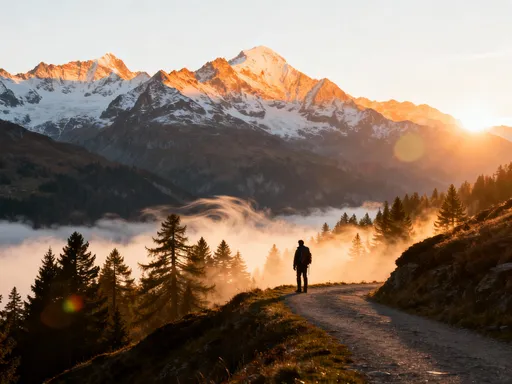
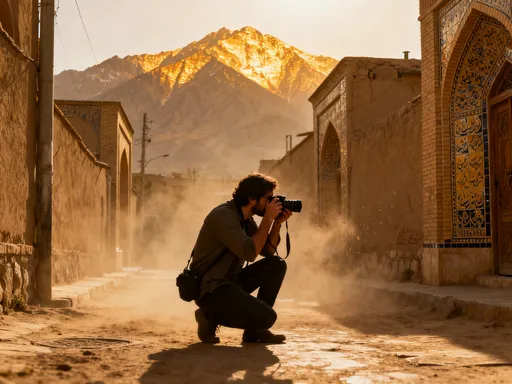
Photography in Tehran truly comes alive in the early mornings and late afternoons, especially in the elevated neighborhoods of Elahieh and Zaferanieh. The city’s position against the Alborz Mountains creates breathtaking backdrops when the sun dips low. During these golden hours, the light transforms the urban landscape, casting long shadows and illuminating textures in ways that feel almost sacred. I’ll detail specific vantage points—like quiet residential alleys and hillside parks—where soft light enhances tiles, tree-lined avenues, and the silhouettes of distant peaks.
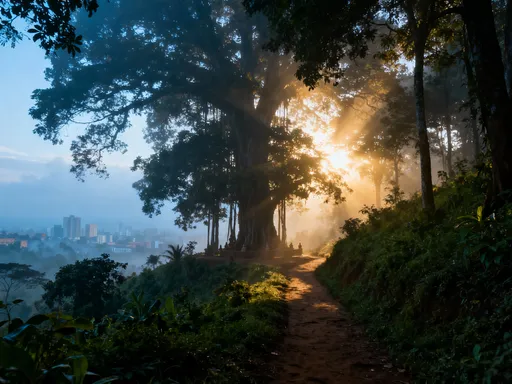
One of the most rewarding locations is the park near Elahieh Square, where narrow streets slope gently toward the mountain range. At sunrise, the fog often lingers in the valleys, wrapping the lower parts of the city in a soft haze while the upper neighborhoods catch the first golden rays. This natural layering creates depth in photographs, allowing for compositions that balance mystery and clarity. A 50mm prime lens works exceptionally well here, capturing both architectural details and the subtle movements of daily life—a woman watering plants on a balcony, a deliveryman cycling down a cobbled path, sunlight reflecting off a brass door knocker.
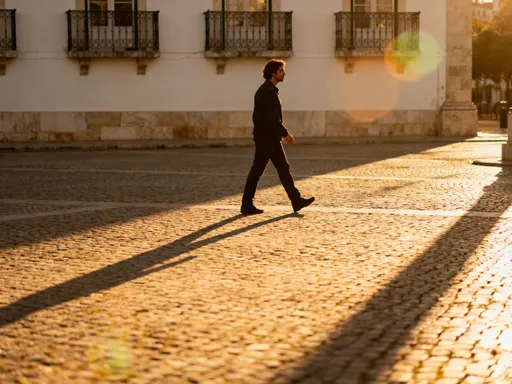
In Zaferanieh, the interplay of light and shadow is even more pronounced. The area is known for its older villas and leafy streets, where plane trees arch overhead and create dappled patterns on the sidewalks. Late afternoon light filters through the branches, producing natural chiaroscuro effects that enhance mood and dimension. This is not the kind of light you can replicate with editing—it must be witnessed and captured in the moment. I recommend arriving at least thirty minutes before sunset to scout compositions and adjust settings. A tripod is useful for long exposures, especially when shooting through iron grilles or capturing motion blur from passing cyclists.
While these areas are residential, the locals are generally accustomed to photographers, especially those who are respectful and unobtrusive. A simple smile and a nod often go a long way. In some cases, residents have invited me in for tea after noticing my interest in their surroundings. These small interactions not only enrich the experience but also lead to more authentic images. The best photographs from northern Tehran are not just of places—they are of moments shaped by light, patience, and human connection.
Grand Bazaar: A Symphony of Shadows and Sounds
The Tehran Grand Bazaar isn’t just a market—it’s a living, breathing photo essay. With over 1,500 years of history, its labyrinthine alleys are perfect for black-and-white street photography. The bazaar spans kilometers, housing thousands of shops that sell everything from handwoven carpets to saffron, spices, copperware, and traditional clothing. But beyond the goods, it is the atmosphere that captivates: the hum of bargaining, the scent of roasted nuts, the flicker of light through cracked domes. This section explores how to navigate its maze, capturing candid moments without intrusion.
The architectural complexity of the bazaar offers endless compositional opportunities. Vaulted brick ceilings, arched passageways, and iron lanterns create geometric patterns that frame subjects naturally. Light enters through small openings above, casting beams that highlight specific areas—a pile of crimson sumac, a craftsman polishing a brass tray, a stack of woven baskets. These pockets of illumination serve as natural spotlights, drawing the viewer’s eye and adding drama to images. A 35mm lens is ideal for capturing both environment and subject, allowing for contextual storytelling without losing intimacy.
One of the most compelling aspects of the bazaar is its rhythm. The pace changes throughout the day: early mornings are quiet, with shopkeepers sweeping floors and arranging displays; midday brings a surge of customers and energy; late afternoons slow again as workers close up. For photography, the early hours are optimal. Fewer crowds mean more freedom to compose, and the soft light enhances textures. I often begin at the spice section, where mounds of turmeric, cinnamon, and dried limes create vibrant color contrasts. A close-up of hands measuring saffron threads with a tiny scale can tell a story of tradition, precision, and livelihood.
When photographing people, discretion is essential. While many are open to being photographed, especially if asked politely, it’s important to respect personal space. I’ve found that approaching with a smile and gesturing to my camera often leads to a nod of consent. Some artisans have even posed deliberately, proud of their work. An elderly coppersmith once gestured for me to capture his hands mid-hammer, the motion blurred slightly to convey effort and rhythm. These collaborative moments yield some of the most powerful images—not because they are perfectly lit, but because they are genuine.
Street Art and Urban Pulse in Southern Tehran
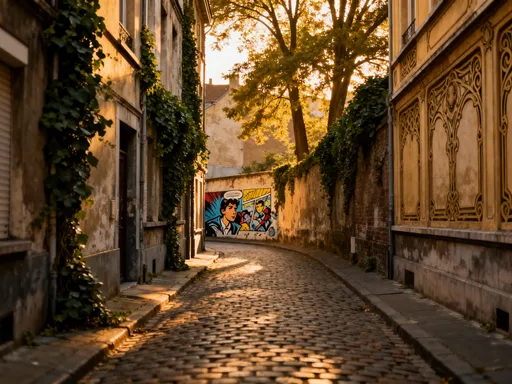
While northern Tehran leans traditional, the south pulses with youth culture and rebellion—especially through street art. Neighborhoods like Khorasan and Shahrak-e Gharb host murals that reflect social themes, poetry, and Persian identity. These colorful walls offer bold compositions and contrast sharply with the city’s more conservative imagery. This section highlights how to find these works safely, the stories behind common motifs, and how to use wide-angle lenses to frame art within its urban context.
Street art in Tehran is more than decoration—it is expression. Many murals incorporate verses from classical poets like Rumi and Hafez, blending literary heritage with contemporary visuals. Others depict birds in flight, symbolizing freedom, or trees growing from cracks in concrete, representing resilience. The styles vary from photorealistic portraits to abstract geometry, often layered with calligraphy. These works are typically found on the sides of buildings, under overpasses, or on the walls of community centers. While not officially sanctioned, they are generally tolerated, especially when they avoid overt political statements.
One of the most striking murals I encountered was in a quiet alley in Shahrak-e Gharb. It showed a young girl holding a book, her eyes closed as if reciting poetry, with words from Forough Farrokhzad flowing around her like vines. The image was rendered in soft blues and grays, with a single red rose at her feet. Capturing it required a wide-angle lens to include both the artwork and the surrounding environment—a clothesline, a potted plant, a cat watching from a windowsill. These contextual details ground the image in reality, preventing it from becoming merely symbolic.
Safety is a consideration when exploring southern neighborhoods, but most areas are accessible during daylight hours. Traveling in pairs or hiring a local guide increases comfort and provides cultural insight. Many young artists are eager to discuss their work, and some have invited me to visit studios hidden in residential complexes. These conversations have deepened my understanding of the messages behind the art. Street photography here is not just about aesthetics—it is about listening, interpreting, and honoring the voices that choose to speak through color and form.
Cultural Encounters: Portraits with Permission and Respect
Photographing people in Tehran requires patience and cultural sensitivity. Unlike in Western cities, candid shots of strangers—especially women—can be inappropriate. Instead, I learned to connect first, smile, gesture, and ask. Many welcomed me into their homes or shops for portraits. This section shares real encounters—like a carpet weaver in her workshop or a tea vendor at a roadside stall—and explains how to build trust. It emphasizes that the best photos often come after conversation, not intrusion.
One of the most memorable experiences was meeting Mrs. Narges, a carpet weaver in her seventies, in a small workshop near the bazaar. She was seated on the floor, her fingers moving swiftly through the warp and weft of a half-finished rug. When I gestured to my camera, she paused, smiled, and nodded. Over the next hour, she explained the meaning of the patterns—cypress trees for eternity, flowers for joy, water channels for life. As she spoke, I captured a series of portraits: her hands at work, her profile in concentration, a close-up of the vibrant threads. These images are among my most treasured because they emerged from dialogue, not observation alone.
Similarly, at a roadside tea stall in Jomhuri Avenue, I met Mr. Reza, who has served tea to workers for over forty years. His station was simple—a metal tray, a samovar, and small glass cups on a wooden table. When I asked if I could photograph him, he insisted I sit and drink first. Over sweet black tea with a cube of sugar between my teeth, we talked about his life, his family, and the changes he’s seen in the city. Only after this exchange did I take his portrait—his weathered face, his stained apron, the steam rising from the kettle. The resulting image feels alive because it carries the weight of that conversation.
These experiences taught me that portrait photography in Tehran is not about capturing faces—it is about honoring stories. A simple request, a moment of shared tea, a gesture of respect transforms the act of photographing from extraction to exchange. The images become collaborative, shaped as much by the subject as by the photographer. This approach not only produces more meaningful work but also fosters connection across cultures.
Practical Tips: Gear, Safety, and Timing
Tehran is safe for tourists, but smart preparation enhances the experience. This section covers essential gear (lightweight bodies, prime lenses, discreet bags), local SIM cards for navigation, and how to dress respectfully. I’ll explain the best seasons—spring and autumn—for soft light and clear skies. Additionally, advice on using public transport, hiring local guides for access, and avoiding sensitive government areas ensures a smooth, legal, and productive shoot.
For gear, I recommend a mirrorless camera body for its portability and quiet shutter. A 35mm f/1.8 and a 50mm f/1.4 prime lens cover most scenarios, from street scenes to portraits. A lightweight backpack keeps equipment secure without drawing attention. While drones are technically illegal without a permit, small stabilizers or gimbals can help with smooth video clips. A notebook is also useful for jotting down stories, names, or poetry shared during encounters.
Connectivity is important, and purchasing a local SIM card upon arrival is easy and affordable. Providers like Irancell and Hamrah-e Aval offer data plans that work reliably in urban areas. Google Maps is usable, though some locations may be outdated. For more accurate navigation, local apps like Snapp (a ride-hailing service) or Neshan (a mapping app) are helpful. Always carry a physical map as a backup, especially when exploring older districts with irregular street layouts.
Dress code matters. While Tehran is relatively liberal compared to other Iranian cities, modesty is expected. Women should wear a manteau and headscarf; men should avoid shorts and sleeveless shirts. This not only shows respect but also helps blend in, making photography less conspicuous. Spring (April to June) and autumn (September to November) offer the most favorable conditions—mild temperatures, clear skies, and golden light. Summers can be hot and hazy; winters, while beautiful with snow-capped mountains, may limit outdoor shooting due to cold and smog.
Public transportation, including the metro and buses, is safe and efficient. The Tehran Metro is particularly useful, with clean stations and English signage. For remote locations or cultural sites, hiring a local guide is advisable. Many are bilingual, knowledgeable about photography etiquette, and able to facilitate introductions. Finally, avoid photographing military installations, government buildings, or security personnel. While most areas are open to photography, discretion ensures a trouble-free experience.
Beyond the Frame: Why These Images Matter
Photography isn’t just about aesthetics—it’s about representation. In a world where Iran is often reduced to politics, these images reclaim its humanity. Each photo tells a story of resilience, beauty, and daily joy. This final section reflects on how sharing these visuals can shift perceptions. It encourages photographers to travel not as outsiders, but as observers with empathy—using their lens not to exploit, but to understand. The journey ends not with a destination, but with a responsibility: to show the world as it is, not as it’s assumed to be.
The images from Tehran do more than document—they challenge. They invite viewers to reconsider what they think they know. A portrait of a laughing schoolgirl, a still life of bread and herbs on a windowsill, a mural of a soaring bird—these are not political statements, but affirmations of life. They remind us that behind every border, every headline, there are people living, creating, and hoping. Photography, at its best, bridges that gap.
For the photographer, the responsibility is twofold: to capture truthfully and to share ethically. This means obtaining consent, protecting dignity, and avoiding sensationalism. It means prioritizing connection over clicks, depth over drama. The most powerful images from Tehran are not the most dramatic—they are the quiet ones, the ones that linger because they feel real.
Ultimately, this journey is not just about improving one’s portfolio. It is about expanding one’s perspective. Tehran teaches patience, humility, and the value of presence. It rewards those who look closely, listen carefully, and wait for the right moment. The city does not give up its secrets easily, but for those willing to engage with sincerity, it offers images that endure—not because they are perfect, but because they are true.