You Won’t Believe These Udaipur Nature Secrets – A Local’s Best-Kept Spots
Udaipur isn’t just palaces and lakes—its wild side is absolutely stunning. Hidden beyond the tourist trails, the city blends rugged Aravalli hills, serene lakes, and lush greenery in a way I never expected. As someone who’s wandered these paths season after season, I’ve learned how to truly experience Udaipur’s natural beauty. This is more than sightseeing—it’s about timing, angles, and knowing where to go when the crowds fade. Let me show you how to see the real, quiet magic of this desert gem.
Why Udaipur’s Natural Beauty Stands Out
Udaipur, often called the City of Lakes, rests gracefully within the Aravalli Range—one of the oldest mountain systems on Earth, stretching over 690 kilometers across western India. While Rajasthan is widely associated with desert landscapes, Udaipur defies that stereotype with its unique microclimate shaped by elevation, seasonal rains, and centuries-old water conservation practices. The city’s natural charm lies in the harmony between human ingenuity and ecological resilience. Ancient rulers designed an intricate network of lakes, stepwells, and channels to capture monsoon runoff, transforming an arid zone into a thriving oasis.
What makes Udaipur’s environment remarkable is not only its visual contrast—rocky, sun-baked hills meeting mirror-like lakes—but also its biodiversity. The region supports a surprising variety of plant and animal life. Native species such as neem, khejri, and ber trees anchor the dry soil, while seasonal wildflowers bloom in vibrant purples and yellows after the rains. Birdlife thrives near wetlands, and small mammals like the Indian hare and jungle cat still roam the less-visited slopes. This coexistence of heritage and habitat gives Udaipur a layered identity: it is both a cultural jewel and a living ecosystem.
Understanding this balance enhances every moment spent in the city. Watching the first light touch the City Palace spires reflects not just architectural grandeur, but centuries of adaptation to the land. The lakes—Pichola, Fateh Sagar, Udai Sagar—are not merely scenic backdrops; they are lifelines engineered to sustain water through long dry months. When travelers recognize these bodies of water as feats of ecological foresight, their appreciation deepens. Udaipur’s true beauty lies not in postcard perfection, but in the quiet wisdom of its relationship with nature.
Best Times to Experience Udaipur’s Nature
Timing is a silent guide to unlocking Udaipur’s natural wonders. While the city welcomes visitors year-round, certain seasons reveal its most vibrant and tranquil faces. The period from September to November, immediately following the monsoon, transforms the landscape into a rare green haven. Hills that appear dusty and dormant during summer suddenly bloom with fresh foliage. Lakes swell to full capacity, their surfaces reflecting clear blue skies and the silhouettes of surrounding hills. This season offers ideal conditions for walking, photography, and simply breathing in the renewed air.
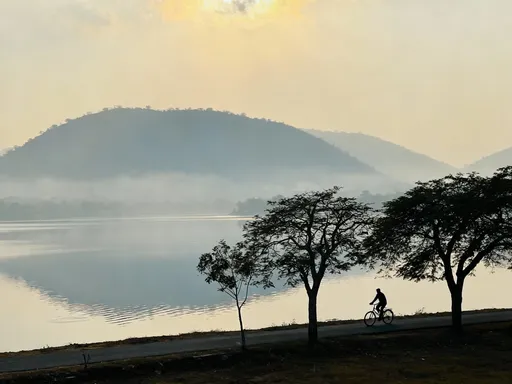
Winter, from December to February, is equally rewarding. Temperatures range from a comfortable 10°C to 25°C, making early mornings and late afternoons perfect for outdoor exploration. The air is crisp and clear, enhancing visibility across long distances. Sunrise walks along the quieter stretches of Fateh Sagar Lake become especially magical, as mist rises gently from the water and birds begin their daily routines. This is also the peak season for birdwatching, as migratory species arrive from colder regions. The combination of mild weather and natural activity makes winter a favored time for families and older travelers seeking peaceful immersion.
Conversely, the summer months—April through June—bring intense heat, often exceeding 40°C. Landscapes turn golden-brown, and outdoor activity during midday can be uncomfortable, even risky for those unaccustomed to desert climates. However, this season has its own quiet beauty. The stillness of early dawn or the deep orange hues of sunset over Sajjangarh Palace offer dramatic visuals for patient photographers. If visiting in summer, plan activities for early morning or late evening, stay hydrated, and seek shaded areas during peak hours.
Local festivals also enrich the natural experience. Teej, celebrated during the monsoon, brings women in bright green and red attire dancing through gardens and temple courtyards, symbolizing nature’s revival. The festival’s songs and rituals echo the joy of rain-fed renewal. By aligning your visit with seasonal rhythms, you don’t just see Udaipur—you feel its pulse.
Hidden Natural Spots Beyond the Lakes
While Lake Pichola and the ghats of Gangaur Ghat draw most attention, Udaipur holds quieter, lesser-known places where nature speaks more softly. One such sanctuary is the Aravalli Biodiversity Park, a conservation-led initiative located on the city’s outskirts. Once degraded land, it has been transformed into a thriving native forest with over 250 species of plants, trees, and grasses. Well-marked walking trails wind through rocky terrain, offering views of wild jasmine, medicinal herbs, and flowering shrubs. Birdwatchers may spot the Indian robin, sunbirds, or even the crested serpent eagle circling above.
Another peaceful retreat is Sahelion-ki-Bari, or the Garden of the Maidens. Built in the 18th century for royal ladies, it remains a cool, shaded oasis with fountains, lotus pools, and wide lawns. Unlike the crowded palace courtyards, this garden invites slow strolls and quiet reflection. The sound of water, the scent of wet earth after a shower, and the shade of kadam and neem trees create a restorative atmosphere. It’s a place where history and horticulture blend seamlessly, offering respite without sacrificing beauty.
For those willing to venture beyond city limits, the countryside around Sukher reveals a different rhythm of life. Just 15 kilometers north, fields of mustard, wheat, and millet stretch under open skies. Cows and goats graze near dry riverbeds, and farmers work the land with time-honored tools. There are no entry gates or ticket booths—just authentic rural scenery. A simple walk along village paths offers views of red soil, termite mounds, and distant hills fading into haze. These landscapes may not appear in travel brochures, but they represent the living fabric of the region.
Another offbeat gem is the trail leading from Rani Road toward the southern ridge of Fateh Sagar. Locals use this path for morning exercise, and it offers unobstructed views of the lake’s backside, where lotus beds flourish and kingfishers dive for fish. Few tourists make it here, making it ideal for solitude and contemplation. These hidden spots remind us that Udaipur’s magic isn’t confined to monuments—it breathes in the quiet corners where nature and daily life intersect.
How to Navigate Udaipur’s Natural Areas Like a Pro
Exploring Udaipur’s natural spaces doesn’t require luxury vehicles or guided tours. In fact, the most rewarding experiences often come from moving slowly and engaging directly with the environment. Auto-rickshaws are widely available and can take you to major points like the entrance of Aravalli Biodiversity Park or Sahelion-ki-Bari. But for deeper exploration, consider renting a bicycle. Cycling along the tree-lined roads near Fateh Sagar allows you to stop whenever a path or viewpoint catches your eye. The gentle breeze, the sound of bicycle bells, and the ability to control your pace make it an ideal way to travel.
Walking is equally effective, especially in the older parts of the city where narrow lanes lead to unexpected green pockets. The area around Nehru Garden, for instance, has footpaths that follow the lake’s edge, offering intimate views of water lilies and nesting birds. Comfortable footwear, a hat, and a refillable water bottle are essential. Avoid synthetic fabrics; instead, wear breathable cotton or moisture-wicking clothing to stay cool.
Navigation tools have improved significantly. GPS maps work reliably in most areas, but don’t rely solely on technology. Locals are often the best source of real-time guidance. Asking for “jungle marg” (forest path) or “lake ke piche” (behind the lake) can lead you to foot trails unknown to digital maps. Shopkeepers, gardeners, or morning walkers may point you toward a hidden viewpoint or a quiet bench with a perfect sunrise angle. Building small connections with residents not only aids navigation but enriches the journey.
For destinations further out, shared jeeps or local buses serve villages like Delwara or Kankroli, where untouched countryside and ancient temples sit amid natural beauty. These vehicles depart from central stands and offer a glimpse into daily life. If planning a full-day excursion, start early—many rural routes slow down by late afternoon. Above all, respect local rhythms. Farmers begin work at dawn, birds return to roost by dusk, and the land quiets down as evening falls. Matching your movements to these patterns ensures you experience nature at its most authentic.
Must-See Natural Phenomena in the Region
Udaipur offers fleeting, unforgettable moments that no brochure can fully capture. During the monsoon, when rain cascades down the Aravalli slopes, temporary waterfalls emerge—thin silver ribbons tumbling over ancient rock. These are brief but mesmerizing, often visible from roads near Sajjangarh or along the ridge above Fateh Sagar. Locals call them “cloud tears,” and catching one after a fresh downpour feels like witnessing a secret.
Winter mornings bring another wonder: lake mist. As the cool night air meets the warmer water, a soft fog rises, wrapping islands like Jag Mandir in mystery. From the lakeside promenade, the palace appears to float in a dream. This phenomenon lasts only 30 to 45 minutes after sunrise, so timing is critical. Bring a light sweater and a camera with a zoom lens to capture the ethereal glow.
Bird migration is another seasonal highlight. Between November and March, Fateh Sagar becomes a haven for waterfowl. The sarus crane, the world’s tallest flying bird, stands gracefully in shallow waters. Painted storks with pink-tinged wings, white ibises, and the electric-blue flash of kingfishers add color to the scene. Birdwatchers often bring binoculars and field guides, but even casual observers can enjoy the lively activity. The Udaipur Bird Festival, held annually, celebrates this diversity with guided walks and educational talks.
For those seeking stillness, the night sky outside the city offers a breathtaking view. Light pollution is minimal in rural areas, allowing the Milky Way to stretch across the heavens. On clear nights, especially during the new moon, stars shine with remarkable clarity. Sitting on a hilltop or open field, away from streetlights, you can see constellations rarely visible in cities. This celestial display reminds us of nature’s grand scale and our small, peaceful place within it. These phenomena aren’t staged or scheduled—they are gifts that reward patience, timing, and a willingness to be present.
Balancing Tourism and Nature Preservation
As Udaipur grows in popularity, the pressure on its natural spaces increases. More visitors mean more waste, more noise, and greater strain on fragile ecosystems. Lakes that once teemed with fish now face pollution from untreated runoff and litter. Encroachment on green belts threatens native species. In this context, responsible tourism is not just a choice—it’s a necessity. Travelers have a role to play in protecting the very beauty they come to enjoy.
Simple actions make a difference. Avoid single-use plastics, especially near water bodies. Carry a reusable water bottle and refill it at guesthouses or public stations. Never toss food wrappers, bottles, or cigarette packs on trails or lakebanks. Even biodegradable items like fruit peels can disrupt local wildlife when left in unnatural quantities. Stick to marked paths to prevent soil erosion and damage to plant life.
Supporting eco-conscious businesses amplifies your impact. Choose accommodations that use solar power, harvest rainwater, or grow their own herbs and vegetables. Hire local guides who respect natural areas and educate visitors about conservation. Some community-based tours offer walks through organic farms or tree-planting activities, allowing travelers to contribute directly. These experiences deepen understanding while supporting sustainable livelihoods.
Visit offbeat areas with care. The joy of discovering a hidden trail should not come at the cost of disturbing its peace. Keep voices low, avoid loud music, and refrain from picking flowers or carving names on rocks. The principle is simple: take only photographs, leave only footprints. Community-led efforts, such as clean-up drives near Sukher or reforestation projects in the Aravallis, show how collective action can restore balance. When travelers participate—even by simply respecting rules—they become stewards of the land. Preserving Udaipur’s nature isn’t about freezing it in time, but ensuring it continues to thrive for generations to come.
Final Thoughts: Seeing Udaipur with New Eyes
Udaipur’s soul isn’t confined to marble domes or mirrored halls. It lives in the whisper of wind through dry teak leaves, the sudden call of a peacock echoing from a hillside, the stillness of a lotus pond under moonlight. These moments don’t demand attention—they invite presence. When we shift our focus from monuments to the living landscape, we discover a deeper, quieter dimension of travel. It’s not about checking off famous sites, but about feeling connected—to the earth, to the sky, to the rhythm of a place.
The real Udaipur reveals itself in patience. It appears when you sit quietly by a lesser-known lake and watch birds return at dusk. It unfolds when you walk a village path and exchange a smile with a farmer carrying a bundle of fodder. It lingers in the scent of wet soil after the first monsoon rain. These experiences don’t require grand plans or expensive tours. They ask only that you slow down, look closely, and listen.
So the next time you visit—or if you’ve never been—consider stepping beyond the guidebook. Let curiosity guide you down an unpaved trail. Ask a local for their favorite sunrise spot. Watch how light changes on the hills throughout the day. In doing so, you don’t just see Udaipur—you begin to know it. Because the true magic of this city isn’t in its perfection. It’s in the wild, breathing spaces between the postcards, where nature still speaks, if we’re willing to hear.