Where Shopping Meets Culture in Pula, Croatia
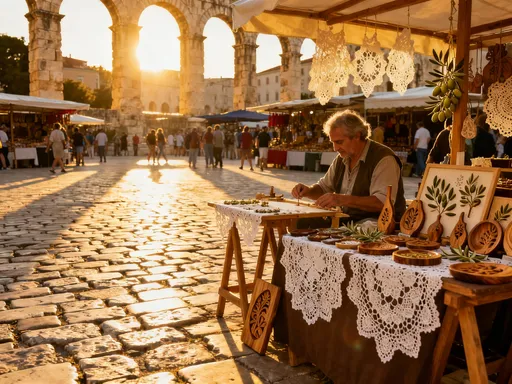
Walking through Pula’s sunlit streets, I never expected to find such a vibrant blend of shopping and tradition. Local markets buzz with artisans selling olive oil, lace, and handmade ceramics—each item telling a story. This isn’t just retail; it’s cultural immersion. You don’t just buy souvenirs—you connect with centuries-old crafts. The scent of rosemary drifts from baskets of dried herbs, while elderly vendors smile as they wrap figs in brown paper. If you think shopping can’t be meaningful, Pula will change your mind. Here, commerce is not transactional but relational, rooted in history, seasonality, and community. In this coastal gem on Croatia’s Istrian peninsula, every purchase becomes a quiet act of preservation.
Discovering Pula: More Than Just Ancient Ruins
Pula is often introduced to travelers as the home of one of the best-preserved Roman amphitheaters in the world—the imposing Arena that dominates the city skyline. Built in the first century AD, this monumental structure draws visitors with gladiator reenactments and summer film festivals, anchoring Pula’s identity in antiquity. Yet beyond its ancient stones lies a living culture, one that thrives not only in museums but in market stalls, family-run workshops, and seaside boutiques. For the thoughtful traveler, especially those seeking depth and authenticity, Pula offers a quieter, more intimate journey—one where shopping becomes a window into local life.
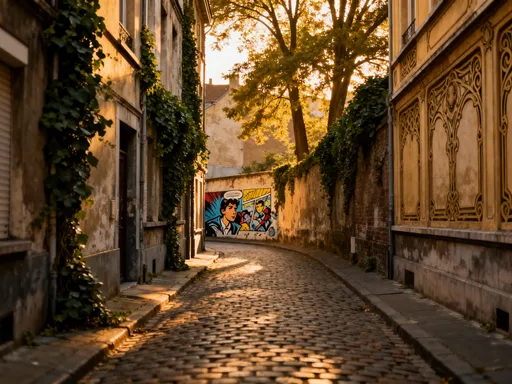
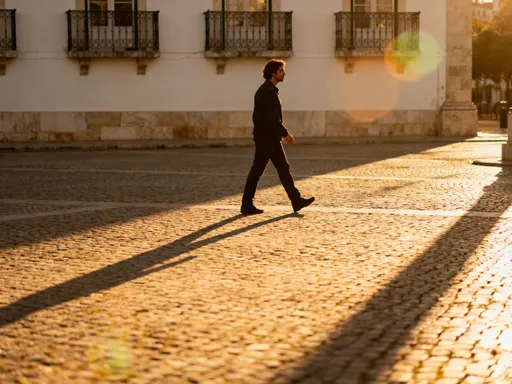
The city’s compact old town, nestled between the harbor and the hills, is ideally suited for exploration on foot. Cobbled lanes wind past pastel-colored buildings with shuttered windows and flower boxes overflowing with geraniums. These pedestrian-friendly zones invite lingering, allowing visitors to move at the rhythm of daily life rather than tourist itineraries. Unlike destinations where shopping is confined to sterile malls or tourist traps, Pula integrates commerce into its cultural fabric. Whether it’s a fishmonger arranging glistening Adriatic sardines or a potter arranging hand-glazed bowls in a shaded alleyway, commerce here feels organic, unhurried, and deeply personal.
What sets Pula apart is how seamlessly its historical legacy blends with contemporary craftsmanship. The same sea that once brought Roman traders now supplies oysters for local tables and inspiration for jewelry designers. The stone quarried in ancient times still shapes modern architecture. This continuity makes shopping in Pula not an escape from culture, but a participation in it. Travelers who take the time to look beyond the Arena discover that Pula’s true richness lies in its people, their traditions, and the everyday acts of creation that sustain them.
The Heartbeat of the City: Central Market Experience
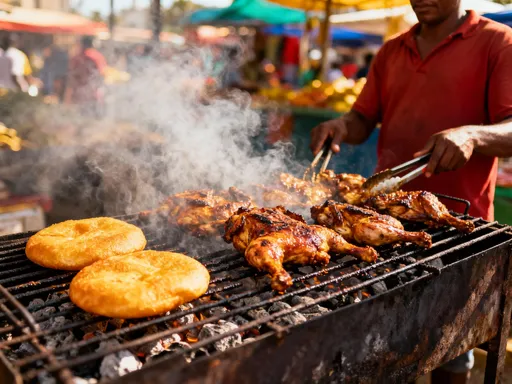
At the center of Pula’s cultural and commercial life stands its bustling farmers’ market, a place where the soul of Istrian living pulses strongest. Located just a short walk from the harbor, the covered market hall and its surrounding stalls open daily, filling the air with the scent of ripe peaches, wild fennel, and freshly baked štrogoli—hand-rolled Istrian pasta. This is not a performance for tourists; it is a vital hub where locals gather to buy, chat, and uphold rhythms of seasonal eating that have endured for generations.
Rows of wooden crates display produce grown in the fertile red soil of the Istrian hinterland—plump tomatoes, purple artichokes, and knobby white truffles in autumn. Vendors proudly offer Istrian pršut, a dry-cured ham aged in coastal breezes, alongside soft cheeses made from sheep’s or cow’s milk. Seafood lovers find the day’s catch laid out on beds of ice: branzino, octopus, and mussels harvested from the clean Adriatic waters. Jars of golden honey, infused with sage or orange blossom, sit beside bottles of malvazija, a crisp white wine unique to the region. Every product tells a story of place, climate, and care.
What makes the market truly special is the human connection it fosters. Vendors remember regular customers, offer samples with a smile, and share tips on how to prepare a dish. A grandmother might explain how to cook frittata with wild asparagus, or a fishmonger might demonstrate the best way to clean sardines. These interactions transform shopping from a chore into a shared experience. For visitors, participating in this ritual is a form of cultural learning—one that deepens appreciation for Croatian foodways and the value of slow, seasonal living.
By choosing to shop at the central market, travelers also support small-scale producers who prioritize sustainability and tradition over mass production. Many of the farmers and artisans travel from nearby villages, maintaining family-run operations that have lasted decades. Their presence ensures that Istrian agriculture remains diverse and resilient. For the conscious consumer, especially women who value quality, authenticity, and family-centered values, the market offers not just ingredients but inspiration—a reminder that food is more than fuel; it is heritage.
Craftsmanship on Display: Artisan Shops and Local Makers
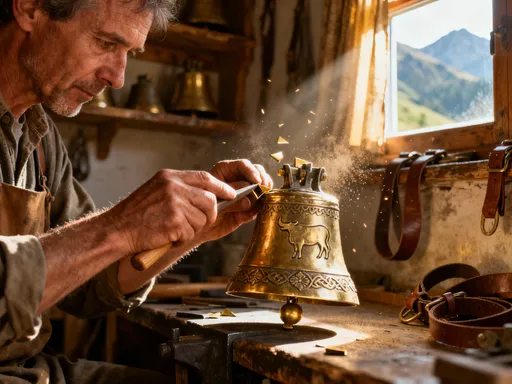
Scattered throughout Pula’s old town are small studios and family-run boutiques where traditional crafts are kept alive through skilled hands and patient artistry. These are not souvenir shops filled with mass-produced trinkets, but workshops where visitors can witness the creation of objects rooted in centuries of regional practice. From delicate lace to hand-thrown pottery, these crafts represent a legacy of precision, patience, and pride—qualities that resonate deeply with those who value authenticity and enduring beauty.
One of the most revered traditions is Istrian lace-making, particularly the intricate bobbin lace known as *rabacanka*, named after the nearby town of Labin. Recognized by UNESCO as part of Croatia’s intangible cultural heritage, this craft involves weaving fine threads into geometric or floral patterns using wooden bobbins and a lace pillow. The process is slow and meditative, often passed from grandmother to granddaughter. In Pula, a few dedicated artisans continue this work, selling their creations in small galleries or during cultural exhibitions. Purchasing a piece of Istrian lace—whether a napkin, a brooch, or a framed artwork—means supporting the survival of a fragile tradition.
Equally compelling are the potters who shape clay from the Istrian hills into functional and decorative pieces. Using locally sourced materials and wood-fired kilns, they create tableware glazed in earthy tones inspired by the sea and landscape. Some incorporate motifs from Roman mosaics or medieval frescoes, linking past and present. Visitors may have the chance to observe a potter at work, hands moving with quiet confidence as they center the clay on the wheel. A few studios offer short workshops, allowing guests to try their hand at shaping a simple bowl or cup—an experience that fosters deep respect for the craft.
Another distinctive art form is olive wood carving, a practice born from the abundance of pruned branches from Istria’s many olive groves. Artisans transform this dense, fragrant wood into spoons, cutting boards, and intricate figurines. Each piece is sanded smooth and treated with natural oils, revealing the wood’s rich grain. Because no two pieces are alike, owning one feels personal and meaningful. When travelers choose these handmade goods over factory-made alternatives, they contribute directly to the livelihood of local families and help ensure that these crafts are not lost to time.
Festivals That Turn Shopping into Celebration
In Pula, shopping is not confined to market days—it blossoms into celebration during seasonal festivals that transform the city into a living museum of tradition. These events draw locals and visitors alike into joyful gatherings where commerce, culture, and community converge. Held in historic squares and along tree-lined promenades, they turn everyday transactions into shared experiences rich with music, storytelling, and sensory delight.
One of the most beloved events is *Saponaria – Days of Soap and Scent*, a medieval-themed fair that revives the ancient craft of natural soap-making. Inspired by historical recipes using Istrian olive oil, herbs, and essential oils, artisans demonstrate how to create soaps without synthetic additives. Stalls are adorned with dried lavender, rosemary, and citrus peels, and the air is perfumed with natural fragrances. Visitors can watch soap being poured into wooden molds, learn about the benefits of plant-based skincare, and even create their own small batch to take home. Children enjoy costumed reenactments, while musicians play traditional Istrian tunes on the tamburica, a stringed instrument central to local folk music.
Another highlight is *Vinissimo*, an annual wine and gourmet festival that showcases the finest products of the Istrian peninsula. Held in July, it brings together winemakers, olive oil producers, cheesemongers, and chefs in a curated celebration of regional excellence. Guests stroll through the historic Forum, sampling malvazija and teran wines, tasting truffle-infused oils, and enjoying small plates prepared with seasonal ingredients. Unlike commercial food fairs, Vinissimo emphasizes authenticity and sustainability, with a focus on family-owned estates and organic practices. For many attendees, especially those who value health, quality, and family meals, this event is a revelation—a testament to how food and drink can express identity and care.
These festivals do more than entertain; they educate and preserve. Each purchase made during these events carries the weight of cultural continuity. A bar of handmade soap, a bottle of estate-grown wine, or a jar of wild herb honey becomes a tangible connection to Istrian life. Because these gatherings are seasonal, they encourage mindful travel—visiting at the right time of year to witness traditions in full bloom. For families planning trips around meaningful experiences, Pula’s festivals offer both joy and depth, proving that shopping can be festive, educational, and deeply human.
Design with a Story: Contemporary Boutiques Blending Old and New
While Pula honors its past, it also embraces the present through a growing number of contemporary boutiques that reinterpret tradition with modern elegance. These locally owned shops offer a fresh perspective on Croatian design, blending heritage craftsmanship with current aesthetics. Here, shopping becomes an act of curation—finding pieces that are not only beautiful but meaningful, rooted in place and story.
One emerging trend is the revival of natural textiles, particularly linen and wool, dyed with pigments derived from local plants. Designers in Pula are creating lightweight garments—dresses, blouses, and scarves—in soft hues of sea green, terracotta, and sun-bleached white. These colors echo the Istrian landscape: the blue of the Adriatic, the red of the soil, the gold of summer light. The fabrics are often handwoven or embroidered with subtle motifs inspired by folk costumes, making each piece unique. For women who appreciate timeless style and sustainable fashion, these garments offer a quiet luxury—one that values slow production over fast trends.
Jewelry design in Pula also reflects a deep connection to the sea and land. Artisans craft necklaces and earrings from recycled silver, shaping them into forms reminiscent of shells, waves, and olive leaves. Some embed small pieces of sea glass, smoothed by years of tides, into their designs. Others use fragments of Roman pottery found along the coast, turning archaeological remnants into wearable art. These pieces are not mass-produced; they are made in small batches, often to order. Wearing them becomes a way of carrying a piece of Pula’s spirit—its history, its beauty, its resilience.
Home decor shops offer similarly thoughtful selections. Hand-painted tiles depict maritime scenes or Istrian village life, while ceramic vases and bowls combine ancient techniques with modern forms. Linen table runners feature embroidered borders in traditional patterns, perfect for those who love to set a table with character and care. These items are not merely decorative; they are invitations to live more intentionally, to surround oneself with objects that tell a story and reflect a values-driven lifestyle. In a world of impersonal consumption, Pula’s contemporary boutiques remind us that style and soul can coexist.
Practical Tips for a Culturally Conscious Shopping Trip
To fully appreciate Pula’s cultural shopping experience, a little preparation goes a long way. The city is best explored at a relaxed pace, allowing time to engage with vendors, savor local flavors, and discover hidden workshops. For those seeking authenticity, here are practical guidelines to ensure a respectful and rewarding journey.
The central market is busiest on weekday mornings and especially vibrant on Saturdays, when additional stalls appear outside the main hall. Arriving early ensures the best selection of fresh produce and seafood. While many vendors accept credit cards, carrying some cash—especially in smaller denominations—is advisable for market purchases and small artisan shops. Euros are used in Croatia, making transactions straightforward for most international visitors.
To support genuine craftsmanship, look for signs of handmade quality: slight imperfections in stitching or glazing, natural variations in color, and personal stories from the makers. Avoid items labeled “made in China” or those with uniform, machine-perfect finishes, which are often imported despite being sold in local-looking shops. Whenever possible, buy directly from artisans—at markets, festivals, or studio visits—where the full story of the product can be shared.
Sustainability is another important consideration. Bring a reusable shopping bag for market visits, choose products with minimal packaging, and opt for items made from natural, biodegradable materials. When purchasing food, favor seasonal and locally sourced goods, which not only taste better but also reduce environmental impact. Many Istrian producers use organic or low-intervention methods, a point worth inquiring about when speaking with vendors.
For those planning around cultural events, check Pula’s official tourism calendar in advance. Festivals like Saponaria and Vinissimo occur annually but on specific dates, often in spring and summer. Booking accommodations early is wise during these periods, as the city welcomes many visitors seeking immersive experiences. Public transportation in Pula is efficient, with buses connecting the harbor, old town, and surrounding neighborhoods. However, the historic center is best explored on foot, allowing spontaneous discoveries at every turn.
Why This Kind of Travel Matters: Connecting Through Commerce
In an age of globalized retail and digital convenience, shopping while traveling can easily become routine—a quick purchase of a magnet or keychain to mark a visit. But in Pula, commerce is different. It is an invitation to connect: to the land, to the people, and to a way of life that values slowness, skill, and sustainability. Every jar of olive oil, every piece of lace, every hand-thrown bowl represents not just a product, but a person’s time, knowledge, and pride.
When travelers choose to shop with intention, they participate in a quiet revolution—one that supports local economies, preserves cultural heritage, and fosters mutual understanding. In Pula, buying directly from a farmer, a potter, or a lace-maker means more than acquiring a souvenir; it means affirming the value of their work. It means helping to ensure that these traditions survive for future generations. For women who care about family, community, and the well-being of others, this form of travel offers deep fulfillment.
Moreover, this kind of engagement enriches the traveler. It shifts the focus from seeing to experiencing, from collecting to connecting. Instead of returning home with generic mementos, one brings back objects imbued with memory and meaning—items that spark conversation, inspire cooking, or adorn the home with purpose. These are not just things; they are bridges between cultures, testaments to shared humanity.
Pula stands as a model for meaningful tourism, where the act of buying is woven into the fabric of cultural exchange. It proves that shopping, when done with care and curiosity, can be a powerful way to honor a place and its people. For those seeking travel that uplifts both the visitor and the visited, Pula offers a path forward—one step, one conversation, one thoughtful purchase at a time. Let your next journey be not just to see, but to savor, to support, and to belong.